




























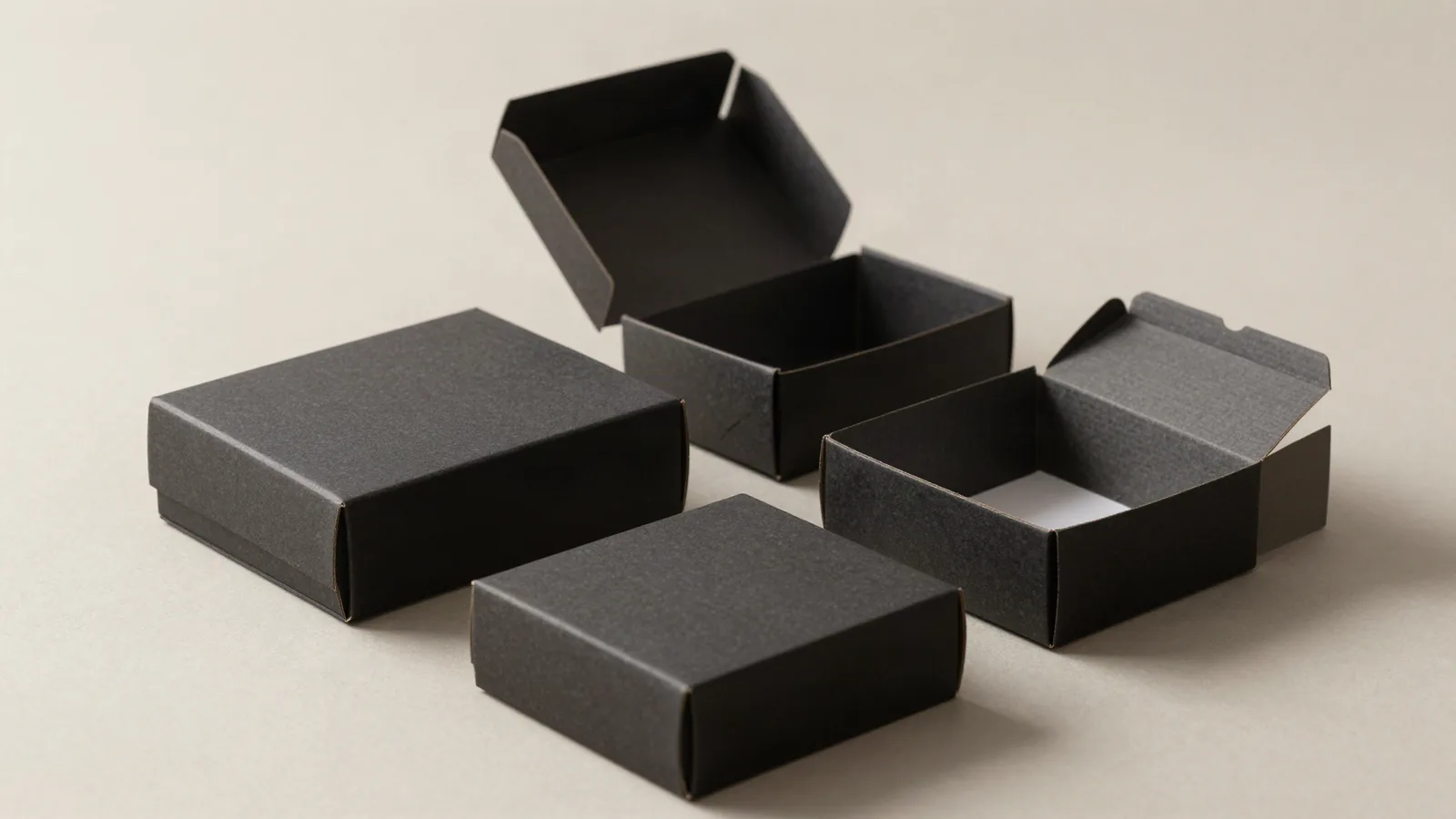




















































What should a shampoo box protect?
The bottle, closure, and loading direction determine the cavity. A shampoo box is a folding or rigid package drawn around the packed bottle, not around a generic carton name. Record the bottle body, pump or cap, label-facing side, and every insert or card that shares the space. A pump head can project above the shoulder, and a cap can change top clearance. A dieline is the flat cutting template that marks cuts, folds, scores, glue tabs, and print panels.
How should a shampoo bottle cavity be measured?
Inside dimensions control the fit, so record length x width x depth after the bottle is in its loading orientation. Measure the highest point of the pump or cap, the label-facing surface, the removal grip, and the space taken by tissue, an insert, or a card. About 1/16 in, or 1.5 mm, is a common tolerance reference. It is a starting point, not a substitute for a filled sample.
| Package zone | Record | Fit issue it catches |
|---|---|---|
| Bottle body | Inside length, width, depth, and orientation | Wrong cavity proportions or a loose bottle |
| Pump or cap | Highest point, removal grip, and clearance | Closure catching on the top panel |
| Label-facing side | Front surface and panel direction | Label turned away after loading |
| Insert or card | Contact points and pack order | Small parts moving into the bottle cavity |
Which closure works for this carton?
A straight tuck end is a common starting point when the top needs a familiar closing flap. A reverse tuck end changes the tuck direction and can suit a different seam or panel layout. An auto-lock bottom or crash-lock base changes the bottom assembly and can reduce separate closing steps. A sleeve can wrap an inner carton when the outer panel and opening need different treatment. Choose the closure after the bottle, insert, and loading direction are fixed.
Which board range works for shampoo packaging?
Folding cartons commonly compare SBS, C1S, or C2S paperboard in the 12 to 24 pt range. C1S has one coated printable side. C2S has coated surfaces on both sides, which matters when the inside of the carton carries graphics. Kraft board in the 18 to 24 pt range gives a different color and surface direction. Rigid chipboard is a dense board that holds shape without a fold. A common rigid reference is 1.5 to 3 mm chipboard wrapped in 100 to 157 gsm art paper.
Caliper changes the fold, glue-tab width, edge feel, and panel flex. A bottle with a tall pump loads differently from a short cap, even when the body dimensions are similar. Confirm the board against the packed product and closure rather than choosing stock from the outside panel alone.
What can a window change on a shampoo box?
A PET window in the 0.2 to 0.3 mm range can show the bottle before opening, but the patch takes space from the printed panel. PET is a clear window material that is applied over a cut opening. Place the window only after the bottle cavity, insert, seam, folds, and trim are mapped. If the bottle label already carries the product information, a closed printed panel may leave more room for copy.
How should print and finish layers be shown?
Offset CMYK usually carries detailed carton artwork, small copy, and color blocks across several panels. Digital printing can suit a short run or an early artwork direction. Matte or gloss lamination changes sheen and surface protection. Soft-touch changes hand feel. Spot UV isolates a logo or product name. Foil stamping, embossing, and debossing should appear as separate finish layers so the proof shows how each effect sits around scores and trim.
Keep the logo and product copy away from scores, glue tabs, and edges that receive repeated contact. RGB artwork can shift when converted for press, and low-resolution artwork can show jagged type or soft product images. The digital proof is where those problems belong, before the box goes to print.
Which product references help compare shampoo formats?
The shampoo boxes catalog page is the closest product reference for this format. Compare custom foam box inserts when the bottle needs a defined cavity, and review wine box packaging when an upright product, insert, and opening sequence are useful construction references. Those pages do not create a generic shampoo size. The bottle and closure still control the dieline.
What should a shampoo box proof show?
A usable proof shows the closure, bottle clearance, label-facing panel, and full loading order. Check these items before approval:
- Inside length x width x depth, bottle orientation, and pump or cap clearance.
- Folds, seams, glue tabs, trim, insert contact points, and any window patch.
- Logo and copy placement away from scores, glue, and high-contact edges.
- Separate print, lamination, spot UV, foil, embossing, and debossing layers.
- Inside and outside artwork when both surfaces are included in the requested scope.
How is a shampoo box project scoped?
Send the actual bottle, closure dimensions, packed orientation, artwork status, insert preference, and delivery destination. If several bottle sizes share one carton, identify the largest and smallest packed configurations. Compare the custom packaging solutions planning hub with the product references above, then request the sample kit when board, fit, window, or finish needs a physical check.
Custom Packaging Lane is a US-based packaging supplier. Shampoo box projects start at a 100-unit minimum, with pricing from $0.49 per unit at volume, quoted to spec. Production is typically 8 to 10 business days after proof approval, plus delivery. Free US shipping, free design support, and a free dieline are available. The $19.99 sample kit is credited to the first order. Send the filled bottle before the proof is approved.
Frequently Asked Questions
How do I measure a shampoo bottle for a box?
Measure the shampoo bottle in the position it will use inside the carton. Record the body length, width, and depth, then measure the pump or cap at its highest point. Add tissue, a card, or an insert to the packed dimensions. The front panel also needs the label-facing direction and enough space away from folds.
What paperboard is common for shampoo cartons?
SBS, C1S, and C2S paperboard are common shampoo carton references in the 12 to 24 pt range. Kraft board is commonly referenced in the 18 to 24 pt range. Board caliper changes folds, glue tabs, edge feel, and panel stiffness, so the bottle, closure, and insert should guide the stock choice.
Can a shampoo box include a clear window?
A shampoo box can include a PET window, with 0.2 to 0.3 mm as a common material reference. The window uses part of the printed panel and must clear the bottle cavity, folds, seam, and trim. Map the opening after the filled bottle position is fixed, then show the patch as its own proof layer.
Which carton closure suits a shampoo bottle?
A straight tuck end gives the carton a familiar top flap, while a reverse tuck end changes the seam and tuck direction. An auto-lock bottom or crash-lock base changes bottom assembly. The closure should follow bottle height, pump clearance, insert access, loading direction, and the way the carton will be handled before opening.
What artwork problems should I catch before approving a shampoo box proof?
Check low-resolution images, RGB artwork converted for press, type too close to a score, missing bleed, blocked glue tabs, and a window crossing important copy. Also check pump clearance and the label-facing panel with the filled bottle. A flat artwork view cannot reveal every loading issue, so compare the proof with the physical pack.












