























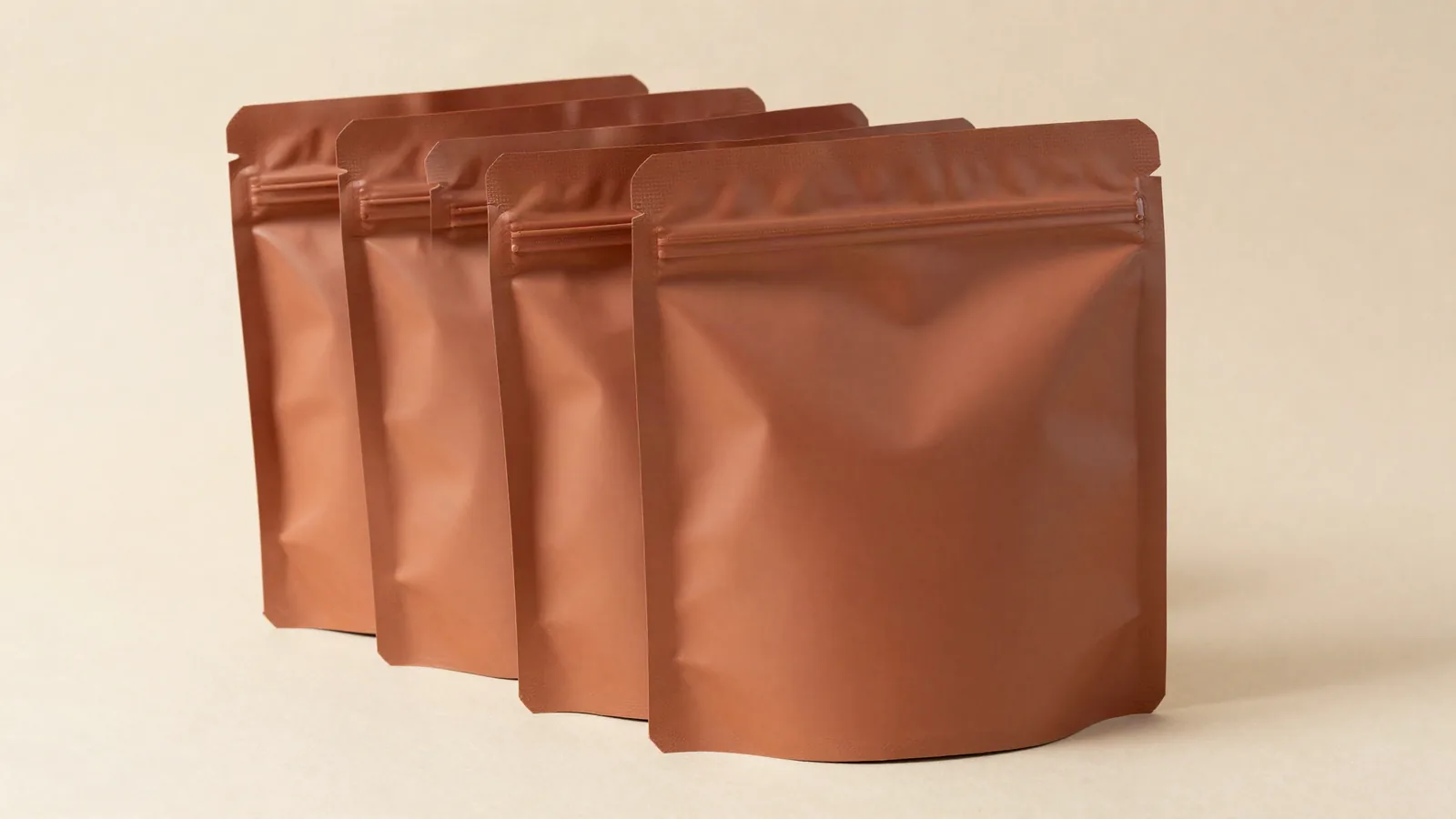



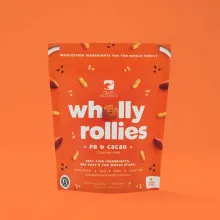


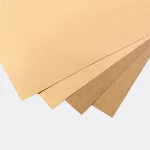
































A stand-up pouch is a flexible pouch with a bottom gusset that opens into a base, so the filled package can remain upright. The shape is only one part of the specification. Stand up pouch materials describe the films, paper layers, foil, metalized surfaces, and clear sections that make up the finished pouch. CPL's catalog includes mylar-style or foil-laminate, kraft-look, metalized, and clear directions.
The phrase mylar vs kraft stand up pouch needs a precise answer. Mylar-style or foil-laminate usually points to a barrier-led film construction. Kraft-look points first to the visible outer appearance. A clear face points to visibility through a selected section. None of those words alone identifies the complete layer stack, inner surface, closure, or seal.
Which part of a stand-up pouch does the material name describe?
A material name may describe the visible outer surface, one film in a laminate, a barrier layer, or buyer shorthand. The pouch shape is a separate conversion decision. A stand-up base changes how the filled pouch rests and displays, while the layer stack changes the surface, barrier discussion, printing, and seal options.
Ask the quote to identify the full construction. Record the outside face, inside face, barrier layer, seal side, zipper or other closure, gusset, tear notch, and clear panel. This prevents a kraft appearance from being mistaken for a paper-only pouch or a clear window from being mistaken for a complete clear construction.
How do mylar-style and kraft-look pouches differ?
Mylar-style or foil-laminate pouches lead with barrier construction, while kraft-look pouches lead with the appearance of a paper surface. A foil layer is a metal barrier inside a laminate. A metalized film uses a thin metal coating on film, so it is reflective but is not the same layer structure as a foil laminate. Kraft can be an actual outer paper layer, a printed appearance, or one part of a laminate.
| Material direction | What the buyer sees or gets | What the quote should identify |
|---|---|---|
| Mylar-style or foil-laminate | Barrier-led flexible construction with an opaque or printed face | Layer order, inner surface, seal side, and finish |
| Kraft-look | Paper-led visual direction on the outer face | Paper layer, printed appearance, or laminate position |
| Metalized film | Reflective or opaque surface direction | Film order, visibility, print treatment, and closure |
| Clear face or window | Visible product area through a transparent section | Window position, surrounding barrier, and light exposure |
| Mixed-material pouch | Several layers assigned different jobs | Complete stack, inner surface, seal, and artwork-safe zones |
This is the practical comparison for packaging stand up pouches. Start with the material job, then confirm how that material is converted into the pouch shape.
What does a clear face change in the material brief?
A clear face changes the brief because the contents become visible through a selected area. That can affect light exposure, artwork placement, surrounding barrier layers, and the amount of product the buyer can see on the shelf.
Clear does not identify the full pouch construction. State the size and position of the transparent area, then ask CPL to show the clear panel, gusset, seals, zipper, and printed sections together in the proof. The proof is where the visual surface and structural layout meet.
How should artwork be planned for a stand-up pouch?
Artwork should follow the pouch panels and conversion marks. Identify the front panel, back panel, gusset, bottom, zipper or heat-seal zone, tear notch, hang hole, and any clear area before the file is finalized.
Keep type away from scores, folds, and seal zones. Low-resolution art can look soft on the finished film. RGB artwork can shift when it is converted for press. Bleed belongs beyond the cut line, not at the edge of the visible artwork. Free design support can help organize the dieline and the digital proof.
The finish also belongs in the same record. Matte, gloss, soft-touch, or foil directions can change how the surface reflects light and how colors read. Use the selected material construction as the basis for that decision.
Which CPL products can you compare with stand-up pouches?
Seed packaging is a reference for a compact branded package with material and artwork decisions. Private label packaging helps frame a repeatable visual system across several products. Wax packaging gives another product-led example where surface, structure, and finish need to be reviewed together. These pages are catalog references, not claims that every format uses the same pouch construction.
What should the final stand-up pouch record confirm?
Record the product, fill amount, packed dimensions, layer stack, visible surface, seal side, closure, base, artwork coverage, finish, quantity, and destination. If any layer may touch the product, ask us about food-contact options.
The MOQ is 100 units. Pricing is from $0.49 per unit at volume, quoted to spec. Production is typically 8 to 10 business days after proof approval, plus delivery. Free US shipping and free design support are available. The $19.99 sample kit can help compare film feel and finish, while custom packaging design can help organize the artwork record.
Frequently Asked Questions
What are stand up pouch materials?
Stand up pouch materials are the films, paper layers, foil, laminates, metalized surfaces, or clear sections used in an upright pouch. The phrase does not identify the base, closure, or complete layer stack by itself. Ask CPL to state the visible surface, inner layer, seal side, closure, and finish for the selected package.
Is a kraft stand-up pouch always paper-only?
A kraft stand-up pouch is not always paper-only. Kraft may describe an outer paper layer, a printed appearance, or one part of a laminate. The inner surface and barrier can be different. Request the complete layer order, seal side, closure, and artwork placement so the package description matches the construction being quoted.
Does a clear stand-up pouch have no barrier?
A clear stand-up pouch can have a barrier construction even when a selected face or window is transparent. Clear describes visibility in that area, not the entire pouch. Ask CPL to show the clear section, adjacent layers, seal, base, and closure in the proof, then compare the package with the product's storage requirements.
Can mylar-style and kraft-look descriptions appear on one pouch?
Mylar-style and kraft-look descriptions can appear on one stand-up pouch when they describe different parts of the construction. The kraft term may describe the outer face, while the mylar-style term points to a film or foil layer underneath. Keep the surface, layer stack, seal side, closure, and finish as separate quote fields.
What are the order terms for custom stand-up pouches?
Custom stand-up pouch projects use an MOQ of 100 units. Pricing is from $0.49 per unit at volume, quoted to spec. Production is typically 8 to 10 business days after proof approval, plus delivery. Free US shipping and free design support are available, and the sample kit costs $19.99.