


































































A tincture box needs the bottle measurements before anyone chooses a structure. Record the bottle height with its final cap or dropper installed, the widest diameter, label overlap, and any accessory that shares the package. A dieline is the flat cutting template used to print, score, fold, and cut the box. The tincture bottle boxes reference gives the quote a product-specific starting point.
How should a tincture box fit the bottle?
The 1/16 in, or 1.5 mm, tolerance is a general packaging reference, not a substitute for checking the actual bottle. Give the requested length x width x depth as inside or outside dimensions, then identify the clearance needed for loading and removal. Measure the widest point, but also check the shoulder, cap, dropper bulb, tamper seal, and label seam. A bottle drawing or physical sample is more useful than the word tincture by itself.
Which tincture box structure should I choose?
Straight tuck end and reverse tuck end cartons differ in panel sequence and tuck direction. An auto-lock bottom forms the base during setup, while a two-piece rigid box uses a separate lid and base. Choose the opening motion before artwork is placed, because the front panel, seam, glue area, and insert access all follow that decision.
| Structure | What it changes | Check before proof |
|---|---|---|
| Straight tuck end | Familiar carton opening | Cap clearance and tuck-panel position |
| Reverse tuck end | Opposite closure direction | Front panel and artwork-safe areas |
| Auto-lock bottom | Formed base during setup | Base dimensions and load path |
| Two-piece rigid box | Separate lid and base | Lid fit, support, and storage space |
A child-resistant feature can be built into the selected package when the project calls for one. It is a construction requirement, not a blanket description of every tincture box. Put it in the first brief so the closure, folds, opening force, and available interior space are considered together.
When does a tincture box need an insert?
An insert is useful when the bottle needs a controlled cavity instead of open space. Paperboard or foam can hold the bottle centered and create a separate location for a dropper or accessory. The custom foam box inserts reference helps describe cavity shape and support points. Size the insert with the outer box, because its thickness reduces the usable interior and changes how the bottle is loaded.
Which materials and finishes suit a tincture box?
Folding cartons commonly use SBS, C1S, or C2S paperboard in the 12 to 24 pt range. Kraft board in the 18 to 24 pt range gives the package a different surface and print direction. Rigid construction uses chipboard commonly in the 1.5 to 3 mm range, wrapped in 100 to 157 gsm art paper. Offset CMYK suits detailed panels, while digital printing is commonly considered for short runs.
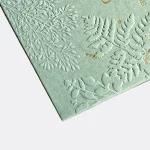
Matte and gloss lamination change reflection. Soft-touch changes the hand feel. Spot UV, foil stamping, embossing, and debossing should each be marked as separate artwork layers. Keep type, barcodes, and fine rules away from scores and glue tabs. RGB artwork can shift when converted for press, and missing bleed only becomes obvious after the dieline is applied.
Should the bottle show through the package?
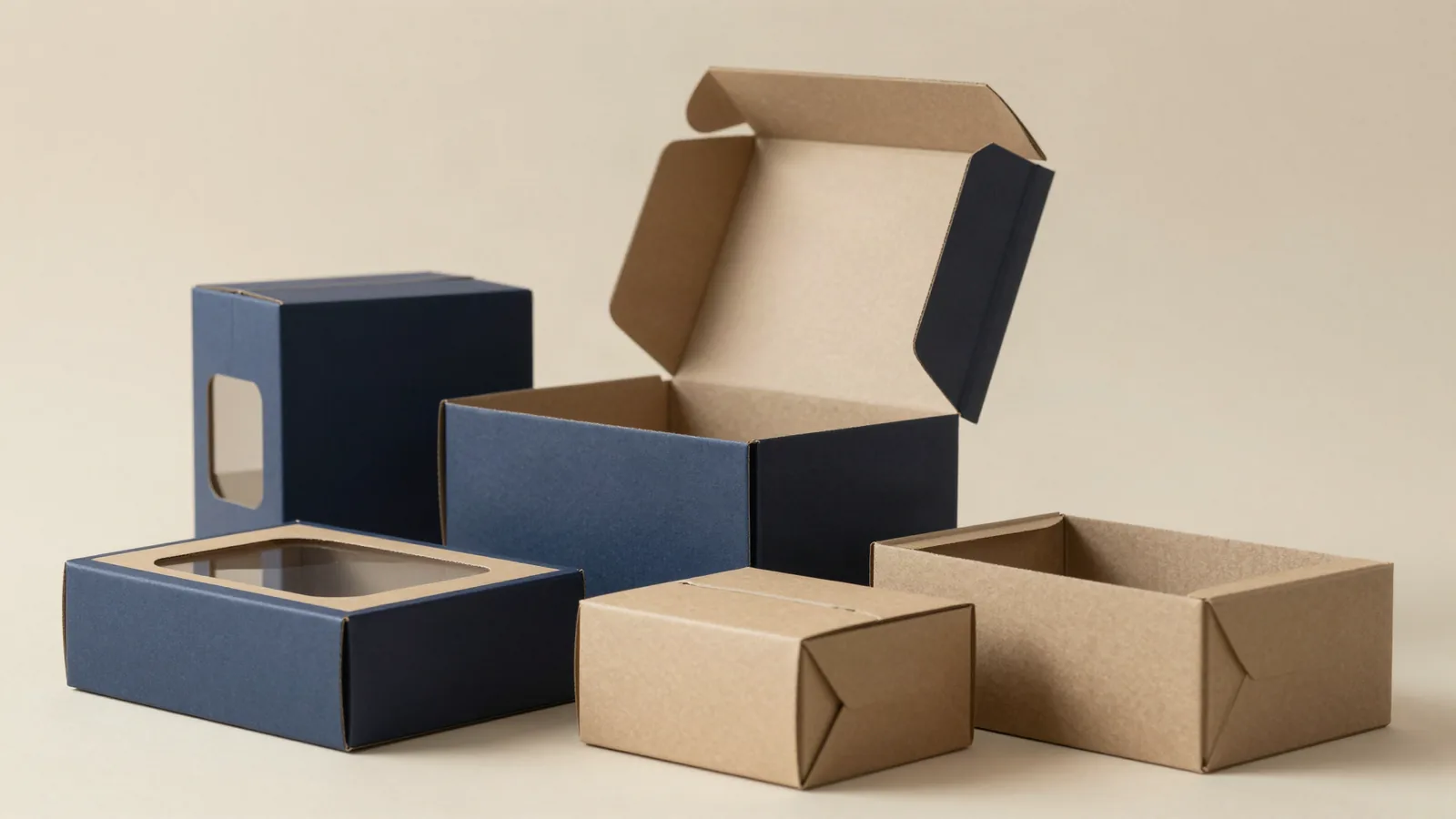
A PET window in the 0.2 to 0.3 mm range can be planned when the bottle needs to remain visible. Define the cutout, viewing angle, patch area, and product-facing panel before the dieline is drawn. The opening must stay clear of folds, glue zones, and important copy. If the bottle should stay covered, a printed front panel, sleeve, or lid keeps the presentation controlled. Compare the custom tincture boxes format with the bottle measurements before choosing.
What should go into the artwork brief?
Start with the physical file, not the logo file. Send these details:
- Bottle height, widest diameter, closure profile, label position, and accessory dimensions.
- Inside clearance, loading direction, and whether the length x width x depth is internal or external.
- Structure, insert material, opening direction, and any child-resistant feature.
- Scores, seams, glue zones, window areas, and finish layers.
- Whether the package is for retail presentation, shipping, or both.
Custom Packaging Lane quotes tincture boxes from a 100-unit minimum, with pricing from $0.49 per unit at volume, quoted to spec. Production is typically 8 to 10 business days after proof approval, plus delivery. Free US shipping and free design support include a free dieline. The $19.99 sample kit is credited to the first order. Use the custom packaging solutions hub when the bottle, insert, and artwork details are ready.
Frequently Asked Questions
How much clearance should a tincture box have around a bottle?
A tincture box should be measured around the final bottle, cap or dropper, label, and accessory. The general reference is about 1/16 in, or 1.5 mm, tolerance, but the selected board and insert still need confirmation. State internal length x width x depth, loading direction, and removal clearance so the dieline matches the real package.
What is the difference between tuck and rigid tincture boxes?
Straight tuck end and reverse tuck end tincture boxes fold from one paperboard piece and use a tuck closure. An auto-lock bottom forms the base during setup. A two-piece rigid tincture box has a separate lid and chipboard base, so lid fit, storage space, and interior support need separate checks.
Can a tincture box hold a dropper with an insert?
Yes. A tincture box insert can center the bottle and create a controlled space for a dropper or other accessory. Paperboard and foam are common insert directions. The cavity should be designed with the bottle, closure, label, and outer box together because insert thickness changes the usable interior.
What paperboard and rigid materials are common for tincture boxes?
Folding tincture boxes commonly use SBS, C1S, or C2S paperboard in the 12 to 24 pt range, or kraft board in the 18 to 24 pt range. Rigid tincture boxes commonly use 1.5 to 3 mm chipboard wrapped in 100 to 157 gsm art paper. Matte, gloss, soft-touch, foil, embossing, and debossing are finish directions.
Can a tincture box include a window or child-resistant feature?
A tincture box can be planned with a PET window in the 0.2 to 0.3 mm range when the bottle should be visible. A child-resistant feature can also be built into the construction when required. Both choices affect the cutout, folds, closure, artwork, and interior fit, so state them before the dieline is prepared.