
















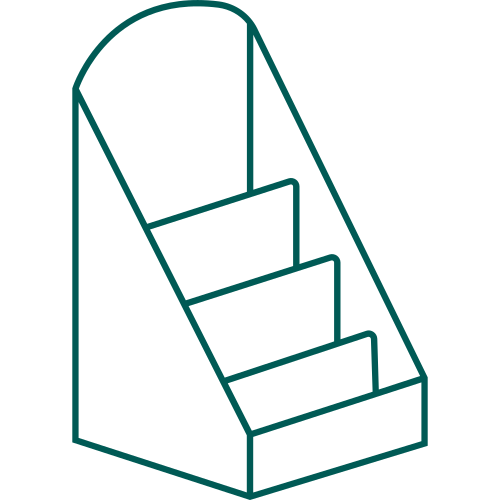





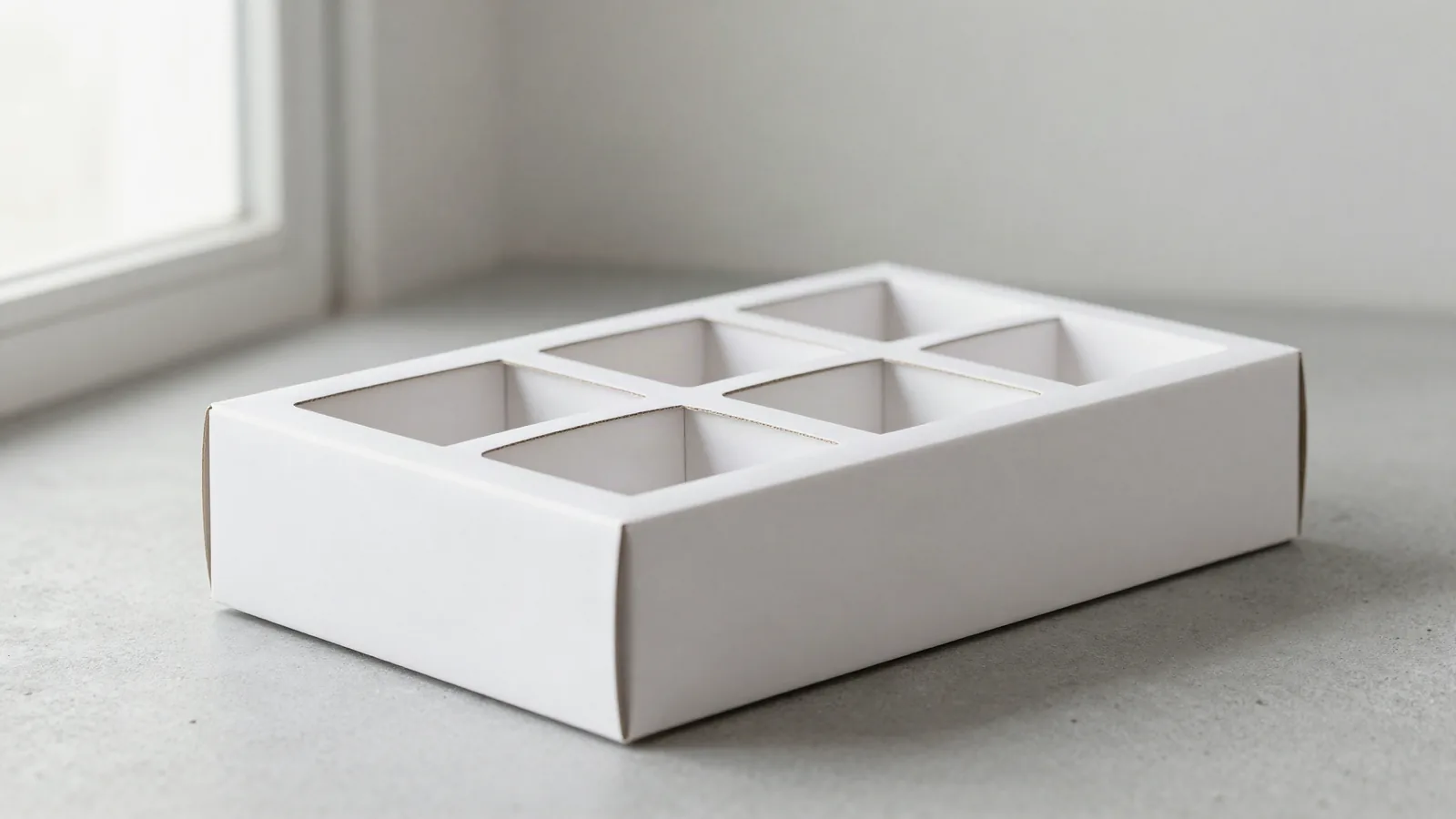



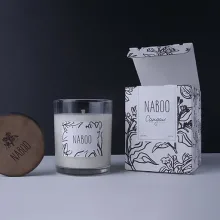

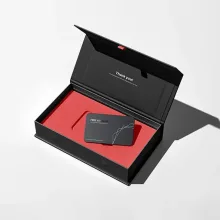


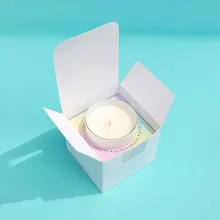






































A cardboard packaging insert is a cut or folded paperboard part that positions a product inside an outer box. A tray creates a base, a divider creates separate cells, and a support keeps a component from shifting. A dieline is the flat cutting template that shows panels, scores, cuts, glue tabs, and bleed before the insert is printed and cut. For cardboard inserts for packaging, the box cavity means the usable inside space after assembly.
How do I measure cardboard inserts for packaging?
Measure the assembled box first. Record the usable inside length, width, and height after folds, seams, and the closure are in place. Outside dimensions do not show the space the insert can occupy.
Measure the complete pack-out, not just the main product. Include accessories, cards, tissue, inner wraps, and any part that shares the cavity. Note which side opens, where the product is lifted, and where clearance must remain.
| Spec field | What to record | Why it matters |
|---|---|---|
| Box cavity length | Usable inside front-to-back space | Sets the insert footprint |
| Box cavity width | Usable inside side-to-side space | Controls edge clearance and access |
| Box cavity height | Bottom-to-lid space after assembly | Sets tray depth and top clearance |
| Insert footprint | Finished tray or divider length and width | Shows how the interior sits in the box |
| Divider count | Number of internal separations | Defines product or accessory cells |
| Cell opening | Position and purpose of each opening | Connects the layout to the packing sequence |
These measurements belong in the quote and digital proof. The catalog's box-and-insert combinations are reference directions, not one universal insert size.
How do packaging cardboard inserts turn measurements into a fit?
The insert footprint must sit inside the assembled cavity without pushing against the lid, closure, or side walls. Scores, glue tabs, and board thickness take up space, so a flat drawing cannot replace an assembled check.
For repeated pack-outs, mark the position of every product and accessory. A divider cell that fits the product can still be awkward if fingers cannot reach the item. Add a lift area where the opening sequence needs one.
What is the difference between a cardboard box insert and a divider?
A cardboard box insert gives a product a dedicated position, tray, support, or presentation layer. A divider separates a shared interior into compartments. One structure can do both jobs, such as a tray with divider walls.
Choose an insert when placement and presentation drive the brief. Choose a divider when the packing team needs repeatable separation between several items. Describe the pack-out rather than relying on the label alone.
When does a cardboard tray insert make sense?
A cardboard tray insert makes sense when a product needs a defined base, a visible presentation layer, or a repeatable position inside a folding or rigid box. Specify tray depth, edge clearance, lift access, and the space beneath the lid.
Place the actual product and accessories into the tray before approval. A tray that fits on the dieline can still load poorly when the access area is narrow.
Which board and structure should I choose for a cardboard insert?
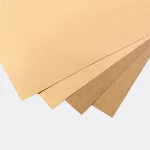
Paperboard inserts fold at scored lines and give printed panels a clean surface. Corrugated inserts use a fluted inner layer, add structure, and take more interior space. The right choice depends on the product envelope, load, box cavity, and print requirement.
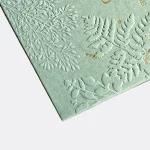
Matte and gloss finishes change the surface of a printed insert. Matte reduces glare, while gloss increases sheen. Ask for the board and finish recommendation after sharing the product, cavity, and artwork instead of selecting a stock from color alone.
Which CPL products can frame an insert project?
The custom cardboard boxes with inserts page is the direct reference when the outer box and interior need one brief. Use cardboard inserts when the interior is the main decision. Wine box packaging and shoe box packaging show different cavity and presentation needs. For soft goods, towel packaging frames a different pack-out.
How should I check the insert before proof approval?
- Place the actual product and accessories in the proposed layout.
- Check each divider wall after the insert is assembled.
- Close the box without pressing on the product or insert.
- Test how the buyer removes the product.
- Check artwork against folds, tabs, scores, and visible panels.
We send a digital proof before printing. Free design support can help organize the dieline and interior layout, but the buyer should check the product information and assembled fit.
What does a cardboard insert quote include?
Send the assembled box dimensions, product dimensions, accessories, product count, opening direction, insert material, divider layout, artwork status, finish, quantity, and delivery destination. State which measurements are inside dimensions.
Custom Packaging Lane uses a 100-unit MOQ. A quote may start from $0.49 per unit at volume, quoted to spec. Production is typically 8 to 10 business days after proof approval, plus delivery. Free US shipping and free design support are available. Order the $19.99 sample kit, credited toward the first order, and use custom packaging design for broader planning. Send the measurements with a quote request.
Frequently Asked Questions
What measurements should I send for a cardboard box insert?
For a cardboard box insert quote, send the assembled inside length, width, and height, plus the product dimensions, accessories, product count, opening direction, and removal clearance. Include the divider count and cell layout when several items share the box. Outside measurements alone do not define the usable insert cavity.
Does a cardboard tray need a divider?
A cardboard tray does not always need a divider. A tray creates a base and positions a product, while a divider separates shared space into cells. Add divider walls when products or accessories must stay apart. Share the complete pack-out so the insert can combine a tray, divider, or support where the box requires it.
Can cardboard inserts fit shoe or wine boxes?
Cardboard inserts can be planned for shoe boxes, wine boxes, and other outer packages when the assembled cavity and product pack-out are measured together. Shoe box packaging and wine box packaging have different presentation and access needs. The insert should be checked inside the actual box before the digital proof is approved.
What does a cardboard insert quote include?
A cardboard insert quote includes the box cavity, product dimensions, accessories, product count, insert structure, divider layout, artwork, finish, quantity, and delivery destination. Custom Packaging Lane uses a 100-unit MOQ, and a quote may start from $0.49 per unit at volume, quoted to spec. Free design support is available.
When does production start for a cardboard insert order?
Production for a cardboard insert order starts after proof approval, not when the first request is sent. Production is typically 8 to 10 business days after proof approval, plus delivery. Custom Packaging Lane also provides free US shipping and free design support, and the $19.99 sample kit is credited toward the first order.