












































































What box structure fits a coin presentation?
A two-piece rigid box gives a coin set a separate lid and base, while a folding carton uses scored paperboard and folds flat. Rigid construction means chipboard is covered with printed paper, so the walls hold their shape without fold lines. A folding carton can suit retail display or a package that needs to store flat.
Choose the opening before the artwork. A lift-off lid reveals the coin as the top comes away. A drawer or slide moves a tray through a sleeve. A magnetic flap closes a hinged panel. A straight tuck end folds paperboard around the coin and uses end flaps for closure. Put those decisions in a custom packaging design brief with the insert shown in place.
| Structure | Material direction | Check before approval |
|---|---|---|
| Two-piece rigid | Chipboard at 1.5 to 3 mm wrapped in 100 to 157 gsm art paper | Separate lid and base, lift-off presentation |
| Drawer or slide | Rigid tray with a sleeve or outer wrap | Tray clearance and pull direction |
| Magnetic flap | Wrapped rigid board with a hinged flap | Closure position and panel order |
| Straight tuck end | SBS, C1S, or C2S paperboard at 12 to 24 pt | End-panel clearance and retail display |
How should an insert hold a coin?
Two measurements control the insert fit: the coin's diameter and its thickness. An insert is the fitted piece inside the outer box; its cavity sets the coin's position, while its backing and removal space control how a person picks it up. Paperboard can create a cut opening inside a folding carton. Foam can create a shaped nest inside a rigid box. Compare custom foam box inserts when the coin needs a defined hold instead of a loose cavity.
Measure the coin, cavity, backing card, and insert thickness as an assembled stack. A cavity cut too close can make removal awkward. A cavity cut too large lets the coin move. If a card sits behind the coin, include that card before setting the outer depth. The insert changes the interior depth, visible area, and amount of clearance around the coin, so keep it on the same drawing as the outer box.
Which board and finishes suit a coin box?
SBS, C1S, and C2S paperboard suit folding cartons in the 12 to 24 pt range. SBS means solid bleached sulfate; C1S and C2S identify coating on one or two sides. A rigid box uses chipboard at 1.5 to 3 mm wrapped with 100 to 157 gsm art paper. Offset CMYK handles detailed full-color artwork, while digital print is often considered for short runs or artwork testing.
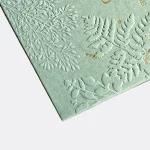
Matte lamination reduces glare, and gloss lamination reflects more light. Soft-touch adds a tactile layer. Spot UV cures glossy and hard on selected areas, but it can crack across score and fold lines, so keep it away from stressed folds. Foil stamping creates a reflective mark; embossing raises paper; debossing presses it down. Use a finish map on the dieline. An embossed tin box is a useful catalog reference when the brief needs a formed container with a decorated lid.
What dimensions belong in a coin box quote?
Write the package size as length x width x depth, then mark every value as inside or outside. A common convention allows about 1/16 in, or 1.5 mm, tolerance, but the insert and closure need their own clearance check. Measure the coin, backing card, insert, sleeve, and any tissue in packed order, not the coin alone.
When the coin is part of a gift set, compare the assembled footprint with wine box packaging for insert and sleeve planning. A custom shoe box is another reference for the panel area a printed outer package can need beyond the item footprint. The reference is structural; the coin's actual dimensions still control the dieline.
What should I include in a coin box quote?
A usable quote brief describes the assembled package before it describes the artwork. Send:
- Coin diameter, thickness, count, and any card placed in the package.
- Preferred structure, insert material, opening action, and closure.
- Inside dimensions, board direction, print coverage, and finish locations.
- Artwork status, quantity, destination, and whether a physical sample is needed before production.
Custom Packaging Lane quotes custom coin boxes from a 100-unit minimum. Pricing is from $0.49 per unit at volume, quoted to spec. Production is typically 8 to 10 business days after proof approval, plus delivery. Free US shipping, free design support, and a free dieline are available. The $19.99 sample kit is credited to the first order. Send the coin diameter, thickness, insert measurements, quantity, and destination to start the quote.
Frequently Asked Questions
Which box style suits a coin set?
A two-piece rigid box suits a lift-off opening, while a drawer or slide uses a tray and sleeve. A magnetic flap works when the box needs a hinged closure, and a straight tuck end keeps the format in folding paperboard. Choose the style from the opening motion, insert clearance, and how the coin should sit when the lid or tray is removed.
How should I size a coin insert?
A coin insert should be sized from the coin's actual diameter and thickness, not from a product name. Measure the cavity, backing card, insert thickness, and removal space as one assembled package. A cavity that is too tight makes removal awkward, while excess room lets the coin move inside the box.
Should a coin box be rigid or folding?
Rigid boxes use chipboard wrapped with printed paper, so they keep a fixed lid-and-base or tray structure. Folding cartons use paperboard with scored panels and fold flat. Pick rigid construction for a structured reveal, or folding paperboard when the package needs a lighter, flatter format.
Which finishes work on a coin package?
Matte or gloss lamination sets the base surface, while soft-touch changes the hand feel. Spot UV creates a glossy area on selected artwork. Foil stamping adds reflection, embossing raises paper, and debossing presses it down. Put every treatment on the artwork map and keep effects away from scores, folds, closures, and small type.
What measurements matter for a coin box request?
A coin box request should include coin diameter, coin thickness, insert cavity, backing card, and intended inside length x width x depth. Mark every measurement as inside or outside. About 1/16 in, or 1.5 mm, is a common planning tolerance, but the assembled insert and closure still need a physical fit check.