



































































How can one pouch program stay consistent across SKUs?
Keep one master record for the fixed structure and a separate change list for SKU-specific copy, color blocks, product names, and seasonal panels. A master dieline is the flat cutting template that holds the seal zone, closure position, panel order, gusset, and safe area in one place. A safe area is the part of a printed panel where important text stays clear of trims and seals. Give every file a revision and approval note, so a reorder can answer what changed without relying on memory.
What belongs in a pouch purchasing brief?
The fill condition belongs at the top because a solid, powder, or liquid product can change the packout and closure discussion. Record the channel, display position, outer-pack relationship, artwork revision, approved panels, opening cue, and delivery scope.
| Brief field | Why it belongs | What to record |
|---|---|---|
| Product state | The fill affects the finished packout | Solid, powder, liquid, or another stated condition |
| Channel role | The package may face shelf, parcel, or sampling use | Display position and outer-pack relationship |
| Artwork version | Each SKU needs a traceable approval path | File name, revision, and approved panels |
| Opening cue | The first-use experience should be deliberate | Zipper, tear area, heat seal, or another requested feature |
| Delivery scope | Shipping affects the handoff after production | Destination and any outer case information |
Which pouch format fits retail or fulfillment?
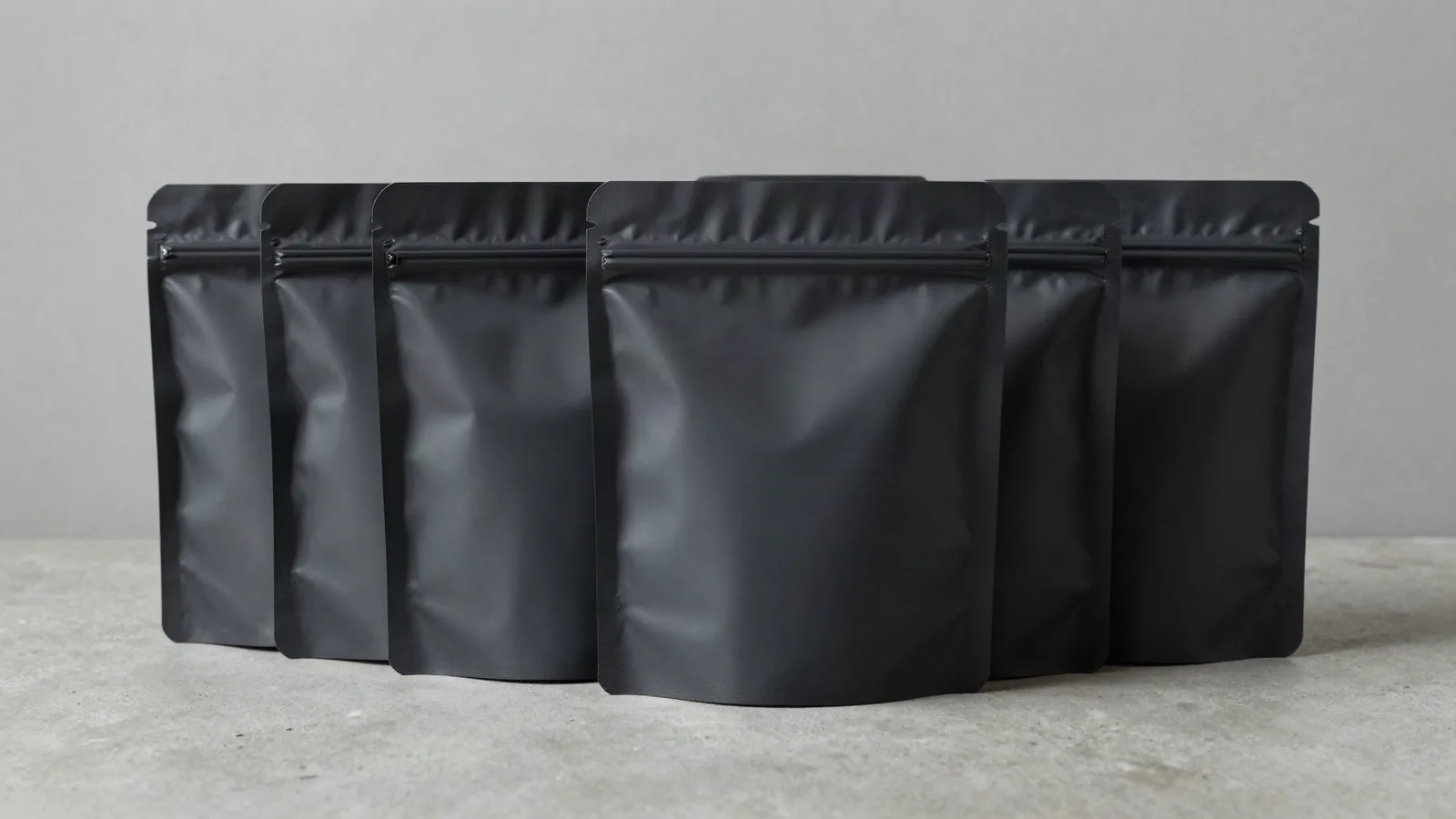
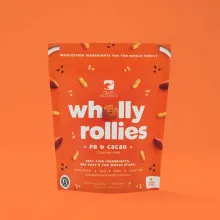
Stand-up pouches place the front panel upright, while zipper pouches prioritize repeated access. A pillow pouch stays flatter when standing is not part of the presentation, and a kraft stand-up pouch puts more attention on the paper-led surface. These formats do different jobs, so name the display position and outer-pack relationship in the SKU record.
Stand-up pouches commonly measure about 3 to 7.5 in wide. Width alone does not specify a family: record height, gusset, seal area, fill position, closure location, and the panel that carries the primary message. A gusset is the folded side or bottom section that gives a pouch extra capacity or lets it stand. These details give design and purchasing one reference when versions are compared.
What material language makes a quote easier to check?
PET, AL, and PE are common layer terms in flexible packaging discussions. PET is often used for the print-facing film, AL is aluminum foil, and PE is commonly used as the sealing face. Mylar or foil laminates can change opacity, surface character, light blocking, and how the printed panel reads. A metallized film layer can block light, moisture, and odor transfer, but the final laminate still needs to be confirmed for the product. The brief should name the visible face, sealing face, material direction, and any paper-led appearance.
How can printed versions change without losing the master layout?
Digital printing can suit short runs and version testing. Matte or gloss lamination changes the surface, soft-touch changes hand feel, and spot UV or foil stamping can set apart a mark or information panel. Keep color blocks, logo placement, seal zones, zipper position, and gusset treatment on the master dieline. Change the variable panel for a seasonal version, then keep the structural record intact.
What should a formed pouch sample check?
Fill the formed pouch before approving the next version. Check the front panel, filled shape, opening cue, closure position, seal area, gusset behavior, color appearance, and finish. A flat file cannot show every change caused by forming and filling. Write down corrections and attach them to the artwork revision, then keep the approved sample or proof reference with the SKU record.
Which catalog pages help build a pouch family?
Use custom stand-up pouches for an upright format reference. Compare zipper pouches when repeated access belongs in the brief. kraft stand-up pouches can anchor a paper-led surface direction, while herbal tea pouches can organize a category-specific SKU conversation. The actual product, fill condition, and approved specification still govern each version.
How does CPL quote a made-to-order pouch program?
Send the product, fill condition, channel, format, finished dimensions, material direction, closure, artwork status, finish, quantity, and delivery destination. Custom Packaging Lane quotes custom made pouches to spec from a 100-unit minimum. Pricing is from $0.49 per unit at volume, quoted to spec. Production is typically 8 to 10 business days after proof approval, plus delivery. Free US shipping, free design support, and a free dieline are available. Order the $19.99 sample kit, credited to the first order, and use wholesale custom packaging when the SKU brief is ready.
Frequently Asked Questions
How should I separate shared pouch decisions from SKU changes?
Keep one record for the shared structure, including panel order, seal zone, closure position, gusset, and safe area. Put product names, colors, statements, seasonal panels, and other SKU changes in a separate revision list. Attach an approval note to each file so a reorder shows what stayed fixed and what changed.
Which pouch measurements matter beyond width?
Stand-up pouches commonly measure about 3 to 7.5 in wide, but width alone does not describe the finished pack. Record height, gusset, seal area, fill position, closure location, front panel, and display position. The filled product should confirm the dimensions, because forming can change the shape that the flat artwork suggests.
What do PET, AL, and PE mean in pouch construction?
PET, AL, and PE are common flexible packaging layer terms. PET often faces the printed side, AL means aluminum foil, and PE commonly forms the sealing face. Mylar or foil laminates can change opacity and light blocking. State the visible face, sealing face, and material direction so the quote describes the intended construction.
What should I check after filling a pouch?
After filling a pouch, check the front-facing panel, filled shape, opening cue, closure position, seal area, gusset behavior, color appearance, and finish. The flat file cannot show every forming or filling change. Record corrections against the artwork revision and keep the approved sample or proof reference with the SKU file.
Can different pouch formats share one brand layout?
Different pouch formats can share a brand layout when each SKU records its own structure, width, height, gusset, closure, seal area, and display position. A stand-up pouch, zipper pouch, pillow pouch, or kraft-facing pouch may serve a different access or display job. Keep the shared artwork grid separate from those structural differences.