








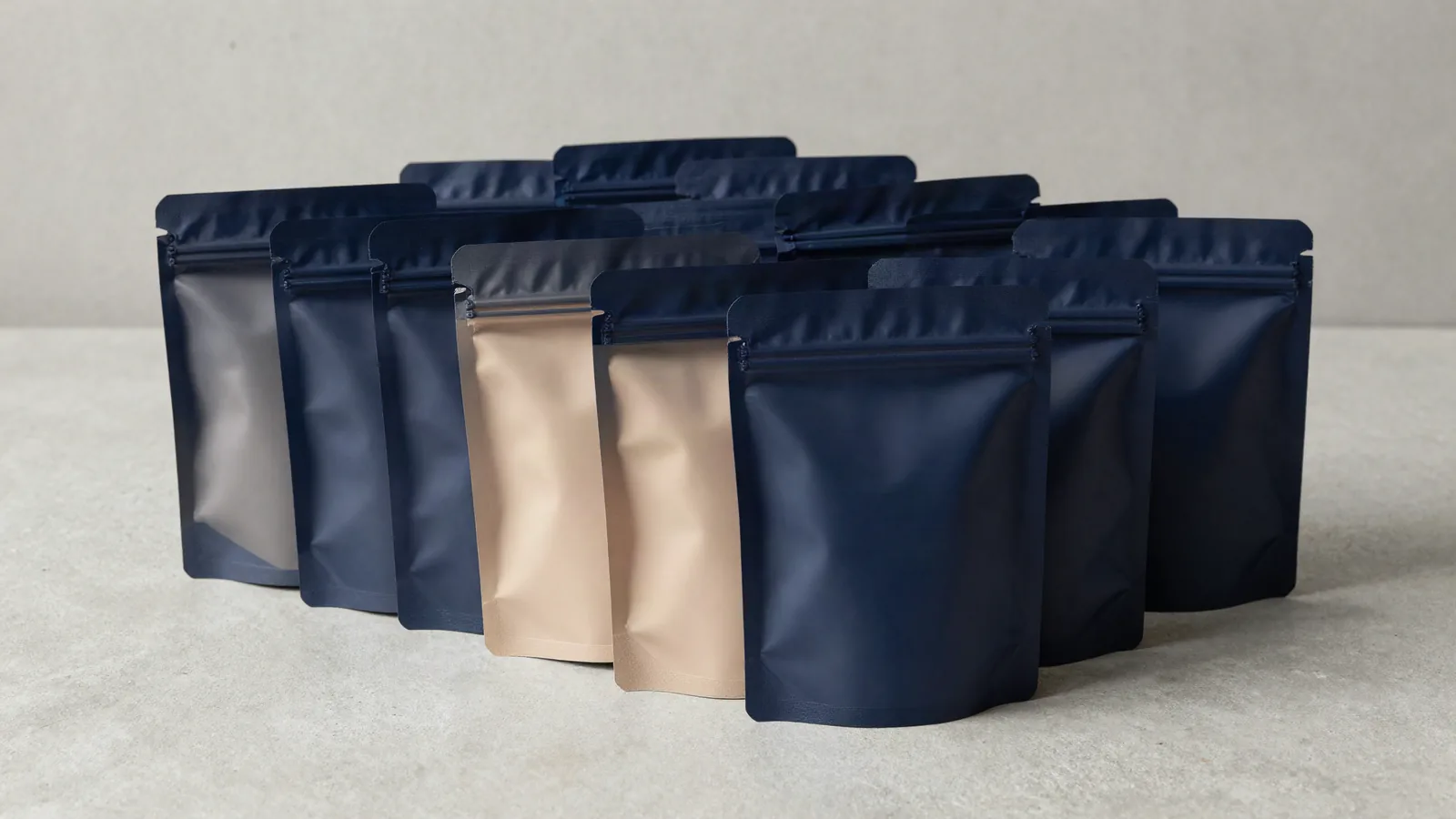








































Heat sealing a Mylar bag is a material and machine setup problem, not a single dial setting. Film gauge, the measured thickness of the film, affects how much heat reaches the sealant layer. Dwell time, the length of heat contact, and jaw pressure affect the bond too. Product particles, a crooked bag mouth, and worn sealing jaws can spoil a good setting. Build the test around the actual bag construction and fill method.
What changes when you switch Mylar film gauges?
Film gauge changes the amount of material the sealer must heat through before the sealant layers bond. The sealant layer is the inner layer that softens under heat and closes the bag mouth. A heavier construction can need a different heat and dwell combination from a lighter construction, even on the same machine. Start with the gauge listed for the selected CPL bag line. If the specification is not listed, ask before choosing a setting.
| Seal result | Check first | Next action |
|---|---|---|
| Weak or incomplete bond | Clean mouth, heat, dwell, pressure | Clean the seal area and change one setting within the machine range |
| Wrinkled inner film | Excess heat, dwell, or uneven pressure | Check jaw alignment, then reduce the selected energy |
| Open seal at the ends | Bag position and jaw contact | Square the mouth and repeat the same cycle |
| Particles in the seam | Fill level and product movement | Clear the mouth and retest with the real fill method |
| Different results between samples | Bag construction and machine cycle | Record the gauge and keep the setup consistent |
How should you set up a heat-sealing test?
Set up the test with the same bag construction, product, fill level, and machine that the order will use. The seal area must be flat, dry, and clear of product. Keep the bag mouth square inside the jaws. Start inside the equipment maker's recommended range, then change one control at a time.
- Record the bag line and film gauge.
- Record heat, dwell time, pressure, and seal width.
- Seal a sample with the planned fill method.
- Let the seam cool before pulling or cutting it.
- Inspect the center, both ends, and any area with wrinkles or particles.
Do not judge the seam while it is still warm. A hot seal can feel closed and then open when handled. Keep the sample beside the test log, because the result only applies to that construction and setup.
How can you seal Mylar bags for food storage?
To seal Mylar bags for food storage, keep the food below the mouth, clear particles from the seam area, and test the selected film with the real filling method. Describe the product, bag size, storage conditions, opening preference, and intended closure. Ask us about food-contact options for your product before approving a material for direct contact.
A general Mylar label does not answer a project-specific food-contact question. The material, seal area, opening method, and product should be discussed together. If the bag uses a zipper or printed panel, note how that feature sits beside the heat seal.
What do weak and wrinkled seams tell you?
A weak seam usually calls for inspection before more heat. Look at the open edge, jaw alignment, pressure, dwell, and contamination in that order. A seam that never closes can reflect a dirty mouth or incomplete jaw contact. A wrinkled or thinned inner layer points toward excess heat, excess dwell, or uneven pressure. Change one variable, cool the seam, and repeat the test.
If the center bonds but the ends open, the bag may not be square in the jaws. If results change between operators, record the mouth position and cycle technique. A repeatable test log separates material problems from filling and machine problems.
Which Mylar bag should you test before ordering?
Test the bag line whose gauge, closure, and dimensions match the planned fill. Custom Mylar heat-seal bags are the direct reference for a heat-sealed format. Custom smell-proof Mylar bags are useful when the construction and closure need review together. For unusual footprints, compare irregular-shape Mylar bags. A larger fill may call for large Mylar bags, while a drying project can start with Mylar bags for freeze drying.
What should go in a custom heat-seal request?
Send the product, filled dimensions, bag style, film gauge question, machine type, artwork status, quantity, destination, and any food-contact question. Custom packaging solutions start at 100 units. Pricing is from $0.49 per unit at volume, quoted to spec. Production is typically 8 to 10 business days after proof approval, plus delivery. Free US shipping and free design support are available. Order the $19.99 sample kit to compare real material and closure behavior. It is credited toward the first order.
Frequently Asked Questions
What heat sealer setting should I start with for a Mylar bag?
Start with the equipment maker's recommended range and the selected bag's film gauge. Heat is only one control. Dwell time, the length of heat contact, and jaw pressure also affect the seam. Test a clean mouth with the real fill method, change one variable at a time, let the seam cool, and record the result before repeating it.
Does mil thickness change how a Mylar bag seals?
Yes. Mil thickness describes film gauge, and gauge changes how much material the sealer must heat before the inner sealant layers bond. A lighter and heavier Mylar construction may need different heat and dwell settings. Use the gauge for the selected bag, test that construction, and ask CPL if the specification is not listed.
How can I seal a Mylar bag for food storage?
To seal a Mylar bag for food storage, keep the product below the mouth and clear particles from the seam area. Use the selected film and machine in a controlled test, then judge the cooled seam. Ask us about food-contact options for your product before approving the material for direct contact.
Why is my Mylar seam wrinkled or split?
A wrinkled or split Mylar seam can come from excess heat, excess dwell, uneven jaw pressure, poor alignment, or product in the seal area. Inspect the mouth and jaws first. Change one variable within the equipment range, let the seam cool, and record whether the center and ends behave the same way.
What do I need to order custom heat-seal Mylar bags?
To order custom heat-seal Mylar bags, send the product, filled dimensions, bag style, gauge question, machine type, artwork status, quantity, and destination. The minimum order is 100 units. Pricing is from $0.49 per unit at volume, quoted to spec. Production is typically 8 to 10 business days after proof approval, plus delivery.