








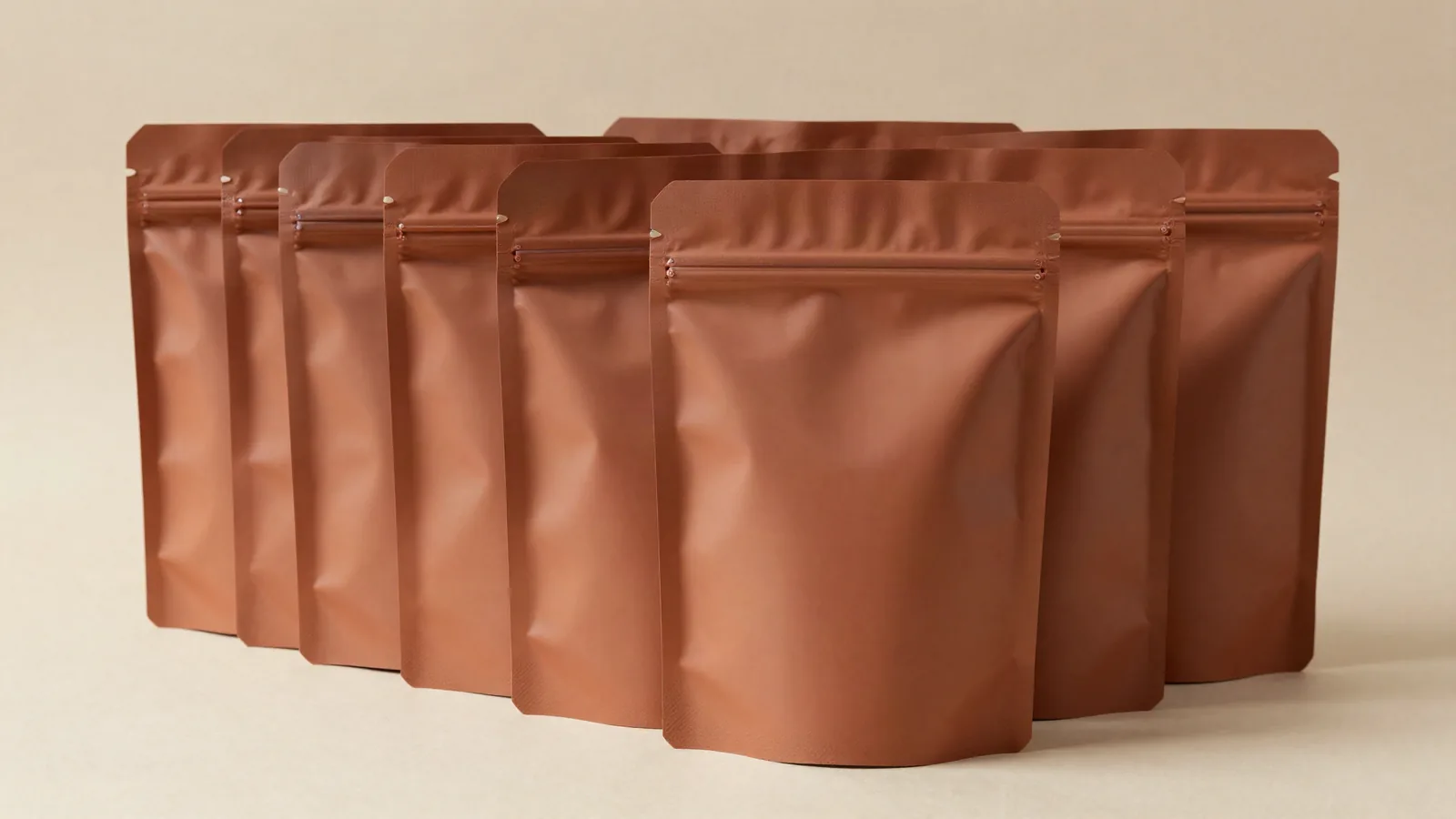



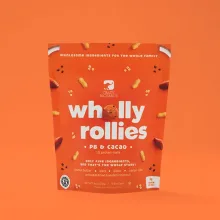
































In packaging, a Mylar bag usually means a multilayer pouch that uses polyester film, often with a metallized barrier layer. The inner seal layer is the heat-responsive film at the mouth that bonds under the sealer jaws. Sealing Mylar depends on that layer, the bag gauge, the usable seal width, and how the bag reaches the machine. The silver appearance does not tell you the correct setting.
Can a Mylar bag use a zipper and a heat seal?
Yes, a Mylar bag can use a zipper for reopening and a heat seal across the open mouth for the initial closure. The seal sits above the zipper and needs a flat, clean band. Product dust, a folded edge, a zipper track in the jaw path, or a tear feature too close to the seam can leave a channel in the seal. Mark both closures on the structural request.
| Bag setup | What the closure does | What to check |
|---|---|---|
| Plain heat-seal bag | Heat seal is the primary mouth closure | Clean, flat seal band above the fill |
| Zipper bag with top seal | Zipper reopens below the first seal | Seal remains above the zipper track |
| Bag with tear notch | Notch guides opening at the sealed edge | Notch stays outside the bonded band |
| Printed bag with window | Artwork and window share the flat layout | Jaw path stays clear of print and window |
How do gauge and seal width affect the bag?
Gauge describes film thickness; seal width is the distance across the bonded band. Gauge changes how the film responds to heat and pressure. Seal width changes the area available for the bond and the space left for the zipper, artwork, tear notch, and product clearance. Use the options on the selected CPL spec sheet rather than choosing a machine setting from the word Mylar alone.
What creates a weak or uneven Mylar seal?
A weak or uneven Mylar seal usually starts with the mouth, the machine contact, or the seal path. A skewed bag can put one end under different pressure. A wrinkle interrupts contact. Crumbs, powder, oil, or a product edge can sit between the inner layers. Test the center and both ends of the seam, then inspect the cut edge and the area above the zipper. Change one setup variable at a time and record the result.
Where should artwork, windows, and tear notches stop?
Keep artwork, window edges, zipper tracks, and tear notches outside the usable sealing band unless the construction specifically places them there. The mouth must flatten between the jaws. Small type near the closure can fold, disappear, or become hard to read after filling. Mark the seal band on the flat file, separate it from the print layer, and review the filled bag rather than the empty artwork alone.
Which Mylar bag format fits the filling and opening method?
The right format follows the fill and opening method. Mylar bags for freeze drying are a reference for dry-product pouch work and a defined seal area. Large Mylar bags raise different questions about mouth alignment and handling. Custom printed Mylar bags put the seal band into the artwork plan, while Custom Mylar ziplock bags add a reopening path below the heat seal.
What should you send before choosing a sealing direction?
Send the filled dimensions, product type, bag format, closure preference, desired seal location, artwork status, and sealer information if you have it. A flat sketch is useful, but the filled condition matters because product changes how the mouth sits. For food-contact projects, ask us about food-contact options for your product. CPL's custom packaging solutions team can connect the bag structure to the sealing task.
Custom orders use a 100-unit MOQ. Pricing can be from $0.49 per unit at volume, quoted to spec. Production is typically 8 to 10 business days after proof approval, plus delivery. Free US shipping and free design support are available. The $19.99 sample kit is credited toward the first order. Send the bag dimensions and closure plan with your quote request.
Frequently Asked Questions
Does a zippered pouch still need a top seal?
A zippered Mylar pouch can receive a top heat seal above the zipper, so the zipper supports later reopening while the heat seal closes the filled bag. The mouth must stay flat, and the zipper track, product particles, tear notch, and folds must stay out of the bonded band. Test the actual construction with the intended sealer.
What does bag gauge mean?
Bag gauge is the film thickness used in the pouch construction. It affects how the film responds to heat, pressure, jaw contact, and movement at the mouth. Gauge does not provide a universal machine setting by itself. Use the gauge options on the selected spec sheet, then test the bag under the same fill condition used for packing.
Why is my pouch seal opening or showing a channel?
A Mylar bag seal can open or show a channel when product enters the seal path, the mouth folds, the bag sits skewed, or jaw pressure does not reach the full width. Wrinkles can also interrupt contact. Inspect the center and both ends, then change one variable at a time instead of raising heat without checking the bag alignment.
Can artwork run through the heat-seal area?
Printed Mylar artwork can work with heat sealing when the file leaves a clear, flat band for the mouth. Keep small type, windows, zipper tracks, and tear notches out of that band unless the construction calls for another layout. Mark the seal area on the flat file and check the filled pouch, because filling changes how the mouth presents to the jaws.
What does a custom Mylar order cost and how long does it take?
Custom Packaging Lane uses a 100-unit MOQ for custom Mylar bags. Pricing can be from $0.49 per unit at volume, quoted to spec. Production is typically 8 to 10 business days after proof approval, plus delivery. Free US shipping and free design support are available, and the $19.99 sample kit is credited toward the first order. Ask us about food-contact options for your product.