








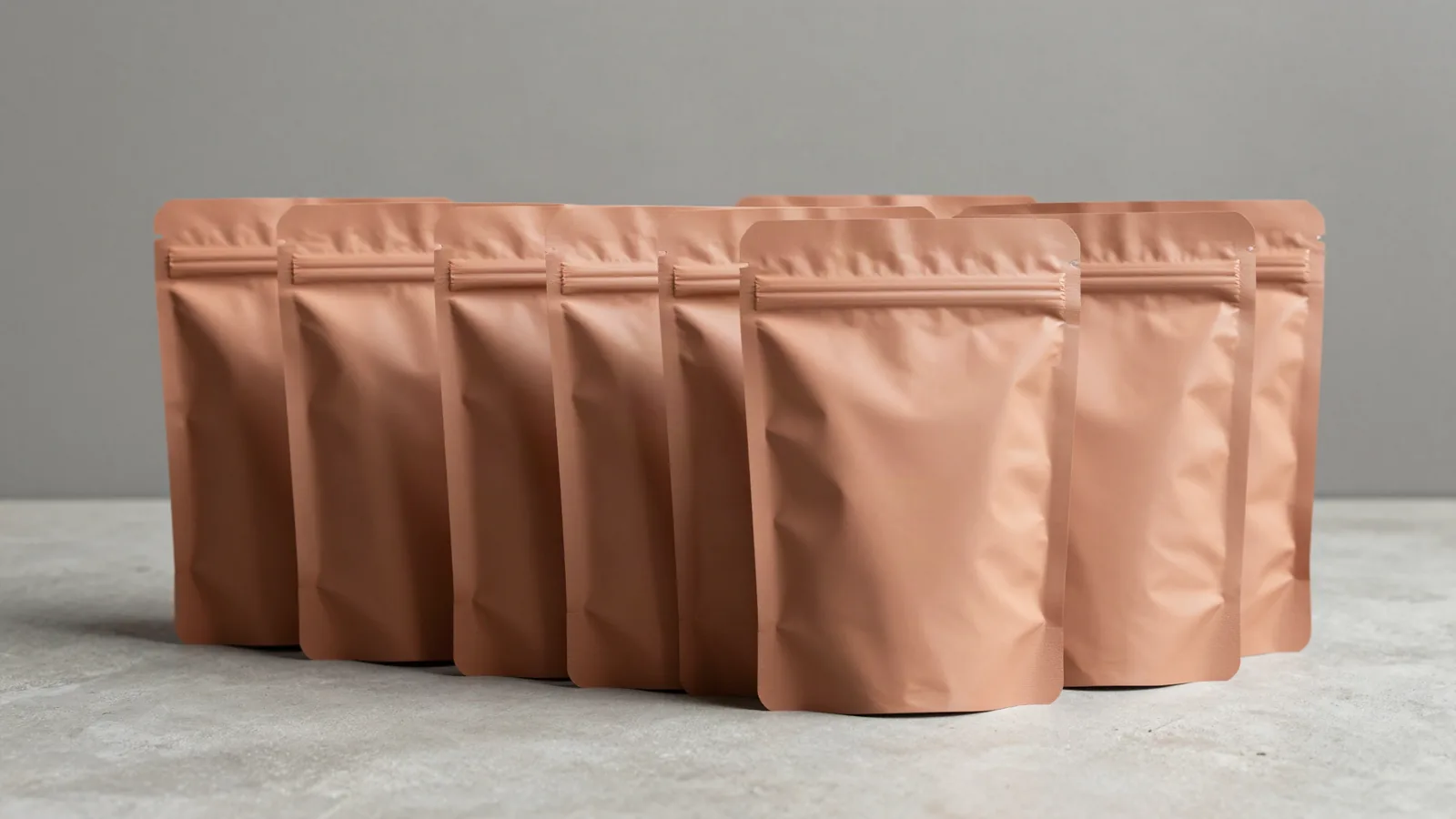














































A Mylar bag is a multilayer pouch that uses polyester film and often a metallized barrier layer. Heat sealing is the process of pressing the open mouth between heated jaws so the inner seal layers bond. Mylar bag sealing is controlled by the film construction, seal area, heat, pressure, dwell, alignment, and fill condition. A displayed temperature alone cannot describe the seam. The operator needs a repeatable test and an inspection rule.
What Mylar bag seal temperature should you use?
Use the temperature selected for the specific film and sealer, then confirm it with a controlled test; there is no single Mylar bag seal temperature for every pouch. Dwell time, the length of time the jaws stay closed, changes the heat delivered to the seam. Pressure and jaw contact matter too. Record the chosen setting only with the bag construction, machine, and fill condition that produced it.
| Process area | What to record | Why it matters |
|---|---|---|
| Bag construction | Format, inner seal layer, and gauge | Film structures respond differently to heat and pressure |
| Machine setup | Heat, pressure, dwell, and jaw contact | The setting belongs to the equipment and material together |
| Loading | Fill level, mouth alignment, and residue | Particles and folds interrupt the seal path |
| Seam inspection | Full width, corners, wrinkles, and channels | The team needs a shared acceptance check |
| Repeat test | Same bag, fill, machine, and operator sequence | One changed variable can explain the next result |
Why can the same temperature produce a different seam?
The same displayed temperature can produce a different seam when dwell, pressure, jaw surface, seal width, or bag construction changes. An empty pouch also presents differently from a filled pouch. A powder at the mouth, a slanted top edge, or a fold changes contact before heat reaches the inner layer. Treat the machine display as one recorded variable, not as proof of the finished seam.
How should you diagnose a weak, wrinkled, or scorched seam?
Start with the seam, not the heat dial. A weak seam can come from residue or incomplete contact. Wrinkles point to a moving or folded mouth. A scorch mark suggests that the material received more heat than that test needed, but inspect pressure and dwell before changing multiple controls. Run another test after changing one variable, then compare the full width and both corners.
What should the operator do before closing a filled bag?
Keep the product below the seal area, wipe or shake loose residue from the mouth, and flatten the top edge before placing it in the jaws. The operator's loading sequence belongs in the work instruction. So does the inspection step: check the seam across its full width, then open a test bag to see how the bond separates. Visual appearance alone can miss a channel.
Which Mylar formats change the sealing test?
Bag geometry changes alignment and handling. Mylar bags for freeze drying frame a dry-product use case with its own fill and storage conditions. Large Mylar bags put more material through the mouth and may need a different loading motion. Irregular shape Mylar bags can present corners or curves to the jaws. Custom printed Mylar bags add a seal-band and artwork-clearance check.
How do you move a heat-seal test into production?
Write down the bag format, seal location, fill condition, equipment, heat, pressure, dwell, loading sequence, and seam inspection result. Repeat the test with the same materials before operators use the instruction. If the bag, fill, or sealer changes, run the test again; a setting from one construction does not transfer by name alone.
For a custom project, send finished dimensions, seal area, artwork, fill condition, equipment context, quantity, and destination to CPL's custom packaging solutions team. Custom orders use a 100-unit MOQ. Pricing can be from $0.49 per unit at volume, quoted to spec. Production is typically 8 to 10 business days after proof approval, plus delivery. Free US shipping and free design support are available. The $19.99 sample kit is credited toward the first order. Request the bag structure and sealing discussion together.
Frequently Asked Questions
Why is a published temperature not enough for every Mylar pouch?
A published temperature cannot cover every Mylar pouch because film construction, seal layer, pressure, jaw contact, and dwell change the heat delivered to the seam. Use project-specific guidance for the selected bag and machine, then test the same material under the intended fill condition before writing the production instruction.
What does dwell time mean in a heat-seal test?
Dwell time is the length of time the sealing jaws remain closed against the bag. It changes how much heat reaches the inner seal layer, so the same temperature can behave differently with a shorter or longer dwell. Record dwell with the bag construction, pressure, machine, and fill condition.
What should an operator inspect after sealing?
After sealing a Mylar bag, inspect the full seam width, both corners, the top edge, and any visible wrinkle, channel, scorch mark, or open section. Check that product did not enter the seal path. A controlled work instruction can also include opening a test bag to examine how the bond separates.
Does the filled product change the seal result?
The filled product can change the seal result because powder, crumbs, oil, or an uneven product surface can enter the mouth or change how the bag sits in the jaws. Keep the fill below the seal area, flatten the top edge, and test the same filled condition that operators will use during packing.
Can CPL provide a sealing setting for a custom bag?
Custom Packaging Lane can discuss the bag construction, seal area, equipment, fill condition, and test plan, but no single temperature or dwell time applies to every Mylar bag. Custom orders use a 100-unit MOQ, pricing can be from $0.49 per unit at volume, quoted to spec, and free design support is available.