




























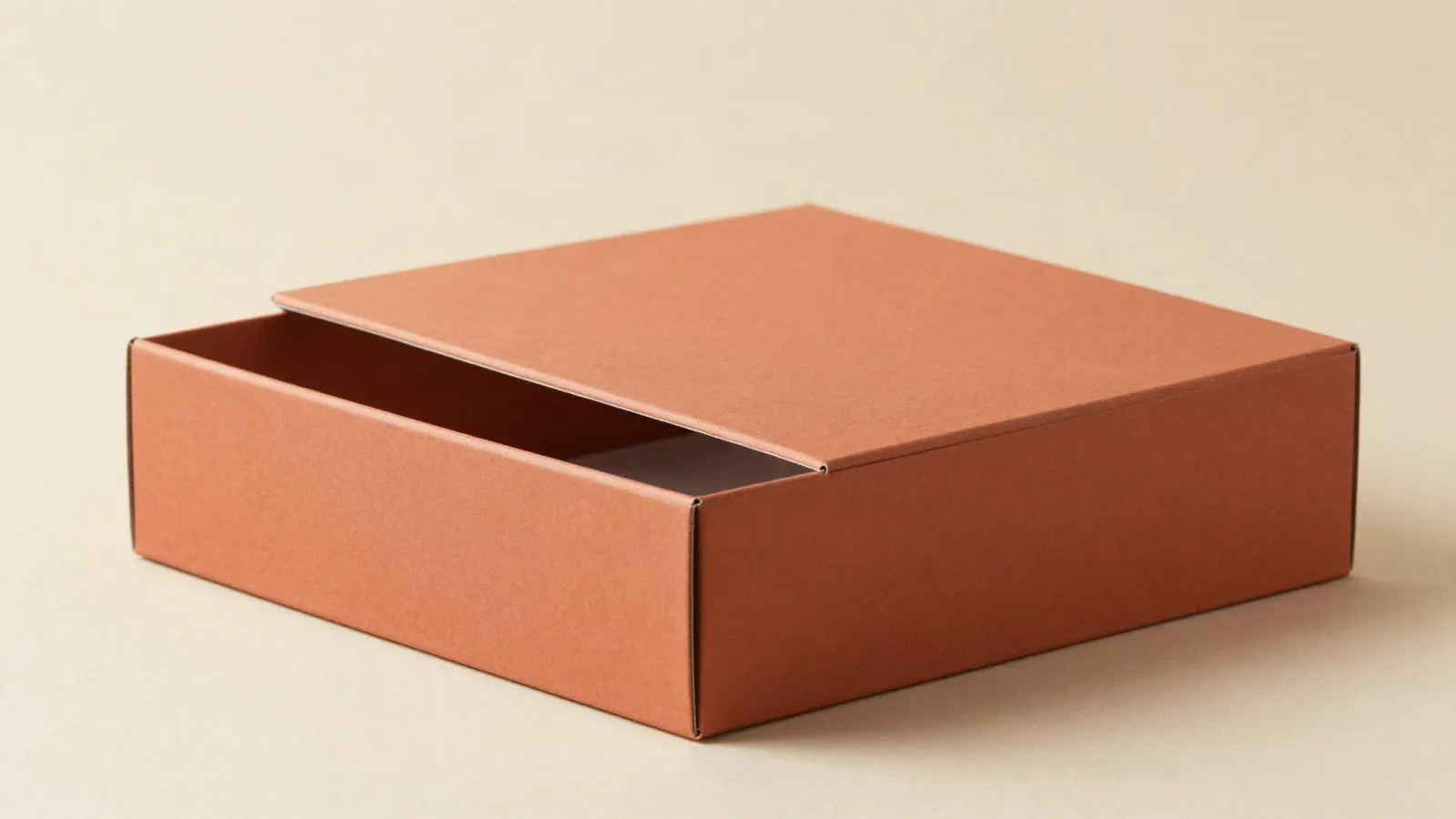




















































A jewelry box type is a label for the package's structure, material, or customer context. Display boxes focus on presentation. Boxes with inserts focus on organized placement. Rigid, kraft, and cardboard describe material directions, while gift and subscription describe how the jewelry reaches the customer. CPL's catalog keeps those labels separate so a buyer can build a precise shortlist instead of calling every package a jewelry box.
What are the main types of jewelry boxes?
The main jewelry box types in the CPL catalog are display boxes, lid-and-tray boxes, boxes with inserts, rigid boxes, kraft boxes, cardboard boxes, gift boxes, and subscription boxes. A project can use more than one label, such as a rigid jewelry gift box with an insert. Start with the part of the package that controls the decision.
| Jewelry box family | Primary classification | What the buyer should check |
|---|---|---|
| Jewelry display boxes | Display structure | First view and visible brand surface |
| Jewelry boxes with lid and tray | Layered opening | Lid movement and tray presentation |
| Jewelry boxes with inserts | Interior placement | Item position and removal path |
| Custom jewelry rigid boxes | Rigid structure | Chipboard body and wrapped paper |
| Custom kraft jewelry boxes | Kraft material | Surface, ink coverage, and finish |
| Custom cardboard jewelry boxes | Paperboard material | Board direction and printed panels |
| Custom jewelry gift boxes | Gift context | Opening order and presentation message |
| Custom jewelry subscription boxes | Subscription context | Repeatable structure and collection identity |
How do structure types separate one jewelry box from another?
Structure types differ by the opening sequence and the way the jewelry sits inside. A display box prioritizes the first visible panel. A lid-and-tray box adds a layered opening. A box with an insert controls the item's position, while a rigid box uses a fixed outer body. These categories can overlap, but naming the primary structure keeps the dieline discussion concrete.
When does material become the useful label?
Material becomes the useful label when the surface, body, or printed appearance leads the decision. Kraft points to a paper-led direction. Cardboard usually means printed paperboard packaging. Rigid construction is commonly chipboard wrapped in printed paper, so the box holds its shape without a fold. Pair the material with the intended finish before the proof is approved.
Where do gift and subscription jewelry boxes fit?
Gift and subscription boxes are context categories. Gift packaging starts with how the jewelry is received and opened. Subscription packaging starts with repeat delivery and a consistent collection presentation. Either context can use an insert, tray, rigid body, kraft surface, or cardboard direction. State the context early so the structure is planned around the actual handoff to the customer.
What should a jewelry box dieline and proof show?
A dieline is the flat cutting template used to print, score, cut, and fold a box. It should show the jewelry dimensions, insert or tray position, cut lines, scores, glue tabs, bleed, lid movement, and artwork panels. Product dimensions should be measured with the intended inner support, not as a loose item. Keep type and logos away from scores and closures. CPL provides free design support and sends a digital proof before anything prints.
How do finishes change a jewelry box surface?
Matte lamination reduces surface glare, gloss lamination makes printed highlights more reflective, foil creates a metallic print effect, embossing raises selected paper, debossing presses selected paper inward, and spot UV adds a glossy area to chosen art. These treatments change the way a lid, tray, or display panel reads in the hand. Put finish locations on the proof so they do not cross scores or openings.
What are the order terms for custom jewelry boxes?
CPL uses a 100-unit MOQ. Pricing is from $0.49 per unit at volume, quoted to spec. Production is typically 8 to 10 business days after proof approval, plus delivery. Free US shipping and free design support are available. The $19.99 sample kit can help compare physical stocks, finishes, and print before approval. For a broader packaging brief, see custom packaging solutions.
What should I send for a jewelry box quote?
Send the jewelry category, filled dimensions, preferred structure, insert or tray details, material direction, finish, artwork status, quantity, destination, and customer context. Say whether the package is for display, gifting, or subscription delivery. A clear request gives the dieline and proof a real job to solve.
Frequently Asked Questions
What does a jewelry box insert do?
A jewelry box insert holds the item in a planned position inside the package and controls how the customer sees and removes it. The insert should be sized with the jewelry and any inner support in place. State the jewelry dimensions, orientation, material direction, and opening before the dieline is approved.
Is a rigid jewelry box different from a cardboard box?
Yes. A rigid jewelry box is commonly built from chipboard wrapped in printed paper, so it keeps its shape without a fold. A cardboard jewelry box usually points to a printed paperboard direction that folds through scores. The two structures require different dielines, artwork wraps, and pack-out discussions.
Should a jewelry box have a lid and tray?
A jewelry box with a lid and tray fits a brief that needs a layered opening and a defined presentation area. The lid movement, tray depth, product position, and removal path should be checked together. A box with an insert may be a better starting point when interior placement matters more than the layered opening.
Are gift and subscription jewelry boxes different types?
Gift jewelry boxes and subscription jewelry boxes are context-led types. Gift packaging is planned around a giving moment and opening order. Subscription packaging is planned around repeat delivery and a consistent collection presentation. Either type can use a rigid, kraft, cardboard, insert, tray, or display direction.
What is the minimum quantity for custom jewelry boxes?
The minimum order quantity for Custom Packaging Lane jewelry boxes is 100 units. Pricing is from $0.49 per unit at volume, quoted to spec. Production is typically 8 to 10 business days after proof approval, plus delivery. Free US shipping and free design support are available. The sample kit is $19.99.












