








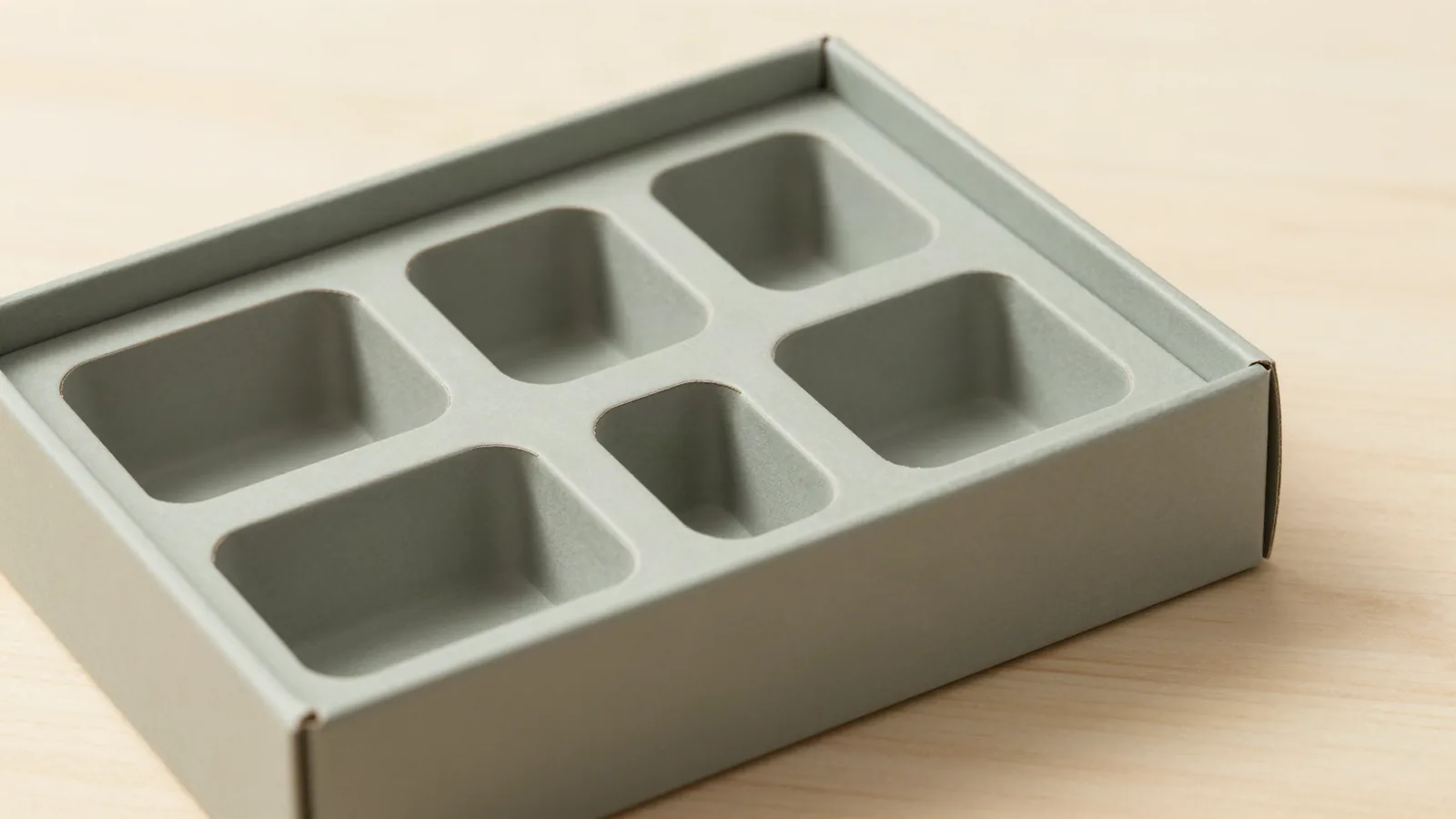














































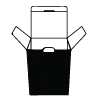

Custom cut foam is a shaped interior part that keeps a product in a repeatable position inside a package. A foam insert can separate components, support a fragile surface, or give a kit a clear removal order, but the cavity has to be drawn around the real product. A dieline is the flat cutting template for the outer box, with panels, scores, glue areas, and openings marked before print. Send product length, width, height, weight, orientation, and the box opening with the first request. Custom foam box inserts are the closest product reference for this work.
What does custom cut foam do inside a package?
A shaped interior controls movement while the package is being handled and opened. The fit should hold the product without making the user tug against a cap, handle, or fragile edge. Start with the actual product, then mark contact surfaces, no-contact areas, lift points, and the direction the item should face. Vertical placement, flat placement, and angled presentation each change cavity depth and the way the user gets a grip.
Which layout keeps a kit organized?
Four layouts cover most packaging briefs: one shaped cavity, multiple cavities, a partitioned insert, or a layered insert. The right choice depends on the number of parts, the removal order, and whether components can touch.
| Layout | Typical purpose | Design question |
|---|---|---|
| Single shaped cavity | One product position | Where does the user grip and lift? |
| Multiple cavities | Product and accessory organization | Which components need separation? |
| Partitioned insert | Repeatable arrangement | What keeps pieces apart? |
| Layered insert | Compact depth management | What is removed first? |
A close cavity needs finger access or a lift area. Multiple cavities work for a product and its accessories. Partitions keep pieces from contacting each other. Layered inserts use vertical space, but the layers must be easy to identify and remove. Retention and access have to be checked together; a cavity that holds the product but blocks removal is a packing problem.
How should the cut pattern follow the product?
Round walls need side support, while flat parts often need a notch, finger slot, or lift ribbon. Mark controls, caps, handles, fragile surfaces, and areas that must remain visible. Accessories can sit in shallow pockets when they need to be seen, or deeper cavities when separation matters more. The cut pattern should show how the user removes the main product without pulling against a fragile component.
Routing, die cutting, layering, and bonding separate foam sections are common production approaches. The cavity shape, edge detail, insert depth, quantity, and outer package narrow that choice. A clean cavity map also makes it easier to pack the product and check that every component is present.
How should the insert fit inside the box?
Inside length, width, and depth set the usable envelope before anyone cuts the foam. State the box opening, reserve room for the insert and any paper wrap or tray, then check lid clearance above the product. A common packaging convention allows about 1/16 in, or 1.5 mm, tolerance, subject to the foam, product, box construction, and assembly method.
Do not size only the outside of a rigid box. A rigid format commonly uses 1.5 to 3 mm chipboard wrapped in 100 to 157 gsm art paper, and that construction consumes interior space. If the lid compresses the foam, the closure can become difficult and the product can receive unintended pressure. Treat the box, insert, and product as one dimensional system.
Which box styles pair with shaped inserts?
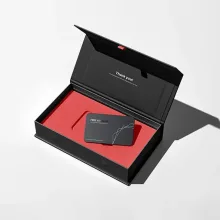
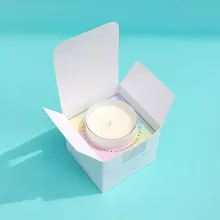
A two-piece rigid box gives the insert fixed walls, while a magnetic-flap box changes the opening action and lid clearance. Drawer or slide boxes create a pull-out removal path. A printed folding carton can work when its board and closure leave enough room for the foam. For product-specific references, custom Woozy bottle boxes raise questions about cylindrical retention, and custom die-cut boxes help frame the outer structural fit.
Keep the interior material and the outer package in the same brief. A darker cavity can create contrast against a light product, while a lighter insert can make small components easier to see. If the product touches food, ask us about food-contact options. Child-resistant construction is a feature we can build and evaluate for the specific use.
What should I send when I need a quote?
A product photo cannot show cavity depth, removal access, or the pressure a closing lid will apply. Send product and accessory dimensions, a drawing or physical reference, fragile and no-contact areas, the desired cavity depth, and the outer box opening. State whether the foam is one piece or layered, how the user lifts the product, and whether the package needs assembly.
- Product length, width, height, and weight
- Orientation, contact surfaces, and fragile areas
- Cavity shape, depth, channels, and finger access
- Outer box dimensions, opening, and closure
Custom Packaging Lane quotes to spec from a 100-unit minimum, with pricing from $0.49 per unit at volume, quoted to spec. Production is typically 8 to 10 business days after proof approval, plus delivery. Free US shipping, free design support, and a free dieline are available. Order the $19.99 sample kit, which is credited toward the first order, then use custom packaging solutions to send the package brief.
Which foam is commonly used for shipping inserts?
Closed-cell polyethylene is commonly chosen for firm support, while open-cell polyurethane is used when softer compression is useful. Closed-cell means the material contains sealed pockets that limit air movement between cells; open-cell foam has connected pores and compresses more readily. Material family, density, firmness, thickness, product weight, and drop exposure must be evaluated together.
| Foam family | Cell structure | Common packaging role | Key tradeoff |
|---|---|---|---|
| Cross-linked PE | Closed-cell | Clean-edged presentation cavities | Firmer feel and fine surface |
| Expanded PE | Closed-cell | Layered shipping supports | Cushioning with a coarser appearance |
| Polyurethane | Open-cell | Soft pads and convoluted cushioning | More compression under load |
| EVA | Closed-cell | Dense inserts with detailed profiles | Higher firmness than soft open-cell foam |
A custom foam box insert should be specified by performance need and packed geometry, not color alone.
Is routed foam different from die-cut foam?
Routing removes material with a computer-controlled cutting tool, while die cutting presses a shaped blade through the foam. A steel-rule die is tooling made from sharpened rule bent to the cavity outline. Routing can create pockets and stepped depths without a dedicated cutting die; die cutting can suit repeatable through-cuts when the foam, geometry, and quantity justify tooling.
Waterjet cutting is another option for detailed profiles, and laminated construction can build depth by bonding separately cut layers. Narrow channels, sharp internal corners, undercuts, adhesive layers, and finger access affect the method. The production drawing should identify every cavity depth and edge condition rather than relying on a top-view outline.
How is custom cut shipping foam tested?
The packed assembly, not an empty insert, must be the test article. Record product orientation, contact points, cavity clearance, lid pressure, and any movement after conditioning and handling. A foam that rebounds in a hand test can still transfer damaging force if its thickness or firmness is wrong for the product mass.
ISTA 3A is a published industry test procedure for packaged products moving through parcel delivery systems. It combines defined handling hazards such as drop, vibration, and compression sequences. Using that procedure as a test plan does not guarantee route performance, but it produces more useful evidence than dropping an uninstrumented sample once.
Does the outer shipping box change the insert design?
C-flute master cases create a deeper wall profile than E-flute cartons, which changes the usable interior and the way impact reaches the insert. For a heavier foam-and-product assembly, 32 ECT is one possible case specification, subject to packed weight, stack direction, and distribution testing.
A custom shipping box should be developed with the insert in place. A folding shipping box may store flat, but scores, locking tabs, and wall build-up can intrude into the cavity envelope. Check the packed closure, voids, seams, label panel, and master-carton orientation as one system.
Can custom cut foam be ordered online without a local visit?
A remote job becomes production-ready when the supplier receives a dimensioned drawing, material preference, cavity depths, no-contact zones, and the outer package file. A 3D STEP file can describe product geometry, but a physical sample remains useful for soft parts, flexible cables, textured surfaces, or shapes whose manufacturing tolerance is not captured in the model.
Use the custom packaging solutions overview to frame the outer pack, and review the sample kit as a separate reference. Final approval should identify the drawing revision so an outdated cavity map cannot reach production.
Frequently Asked Questions
How do I find custom cut foam near me?
A local search can find nearby suppliers, but the fit review still needs the product, cavity layout, and outer package. Send product dimensions, weight, orientation, fragile areas, accessories, and desired box style. Ask how the supplier will check retention, removal force, lid clearance, and alignment before the final insert is approved.
What dimensions are needed for a foam insert?
A foam insert needs the product length, width, height, and weight, plus round sections, handles, caps, fragile surfaces, and no-contact areas. Add the box inside length, width, and depth, opening direction, available insert depth, and lid clearance. A photo explains the shape, but a dimensioned drawing or physical product gives a better fit reference.
Can one foam insert hold multiple products?
One foam insert can use multiple cavities or partitions for products and accessories. The layout should separate pieces that must not touch and show where the user grips each item. Check the largest product, total insert depth, removal order, and box closure together. A physical sample exposes loose pockets, blocked access, and lid pressure before production.
Will a foam insert change rigid box dimensions?
A foam insert occupies interior volume, and a rigid box also loses space to chipboard, wrapped paper, the lid, and clearance above the product. Plan the box from inside length, width, and depth, then add the insert, product, and removal access. Exterior dimensions alone cannot show whether the assembled package will close.
When is CNC routing better than die cutting for foam?
CNC routing can suit shaped cavities, detailed tool paths, prototypes, or layouts that need adjustment during development. Die cutting is commonly used for repeatable profiles and openings. The choice depends on geometry, edge detail, cavity depth, quantity, and the required fit. Send the product drawing and desired cavity layout before selecting a process.