






























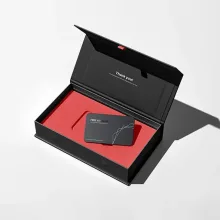

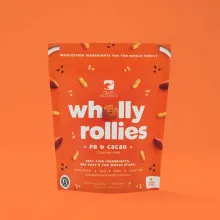








































Roll end tuck boxes use a roll-end body, a tuck-front or tuck-top panel, and a solid base. The construction answers one practical question: how will the box fold around the product and close without putting artwork in the wrong place? The usable specification still needs the packed product, finished dimensions, board callout, and artwork orientation.
What does retu box style mean?
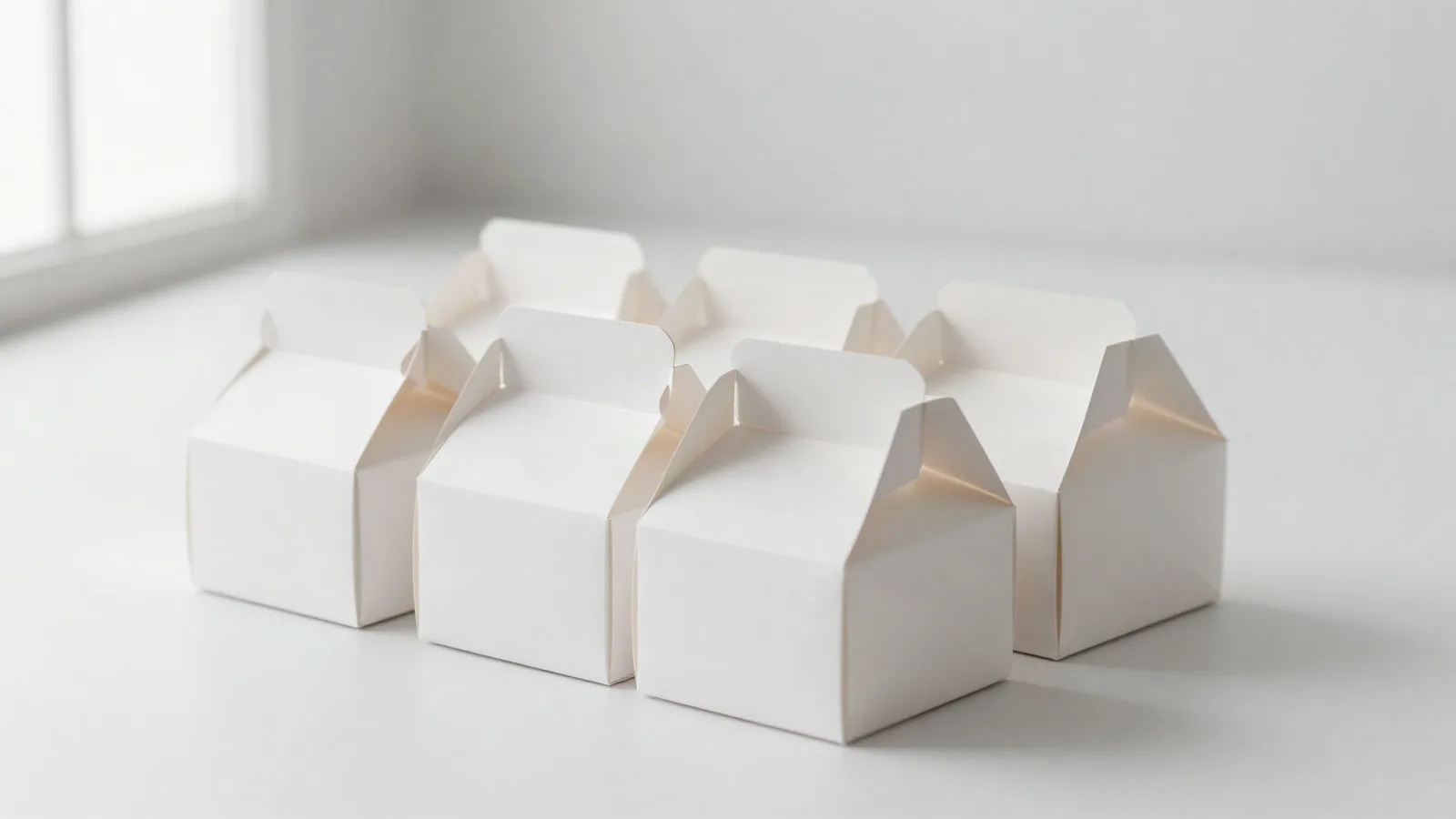
Retu box style is a search variation for a roll end tuck box. A roll end tuck box has a body that rolls around the product, a tuck-front or tuck-top panel, and a solid base. The label works only when the quote also names the packed product, finished dimensions, board callout, and artwork orientation.
The roll end tuck front box page is the closest catalog reference. Start there if the front panel folds over the opening and the end panels wrap into the body.
What is a roll end tuck box built to do?
A roll end tuck box creates a defined front face while the rolled end panels carry the box around the product. The tuck panel closes the opening, and the base carries the packed item. That fold path matters because a score through a logo or a tight joining area changes both assembly and appearance.
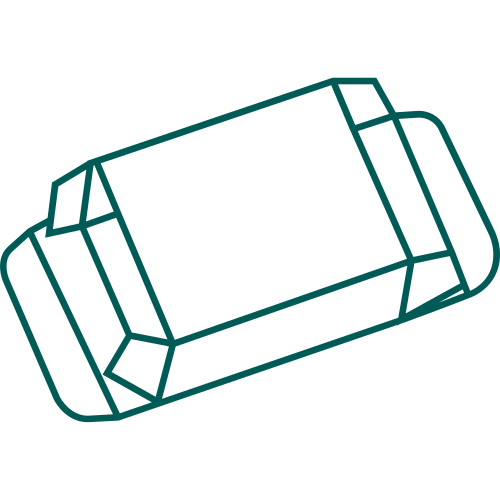
Check the closed box first, then check the flat blank. The outside dimensions, inside clearance, panel order, and board direction need to agree before artwork is approved. A window or foil area also belongs on the dieline, not in a loose note after the proof.
What belongs in a roll end tuck box specification?
| Specification field | Record in the request | Why the proof needs it |
|---|---|---|
| Board weight | Quoted board weight and board direction | Sets the stock choice and fold behavior |
| Finished dimensions | Length, width, and height with inside or outside reference | Connects the box to the packed product |
| Roll-end construction | End panels, center creases, tuck panel, and base | Shows the closing sequence |
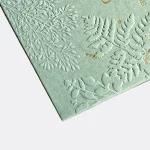
| Surface treatment | Printed panels, window, foil, color, or texture | Keeps decoration clear of folds and joints |
How should the product dimensions be measured?
Measure the product as it will sit inside the box. Add any insert, sleeve, wrap, or accessory that remains inside, and say whether the dimensions are inside or outside. A dieline is the flat cutting template used to print and cut the box. Its panel widths come from product fit, scores, folds, and joining areas, not from the front panel alone.
Leave room for the product to load without forcing the tuck panel against it. An insert cut to the exact product size can still let the product rattle if the insert shifts, so check the assembled fit with the actual packout. Ask for free design support when the product dimensions need to become a dieline.
Which tuck styles should be compared?
A custom tuck end box is a useful comparison when the question is the tuck closure itself. A custom seal end tuck box gives a different end-closure reference. If the box must behave like a shipper with a mailer opening, review custom tuck-top mailer boxes separately. The names are related, but their folds and joining areas are not interchangeable.
What should the proof catch before printing?
Check the front panel, roll-end sections, center creases, base, joining areas, artwork direction, window, and foil placement. Low-resolution art can look acceptable on a screen and fail at print size. RGB art can shift when converted for press. Keep bleed in the file, and move small type away from scores. The proof is the place to catch those problems.
Open and close the box on the proof. Confirm that the product-facing space matches the submitted dimensions and that the front message lands on the panel a buyer sees first. If a barcode is part of the design, check its scan area before the run begins.
What does a roll end tuck box order cost and require?
The MOQ is 100 units. Pricing is from $0.49 per unit at volume, quoted to spec. Production is typically 8 to 10 business days after proof approval, plus delivery. The clock starts at proof approval, not at the first quote.
- Send product dimensions and say whether they are inside or outside.
- Identify the board direction, finish, window, or foil request.
- Attach artwork and mark the front panel, folds, and closure.
- State the quantity, destination, and intended box structure.
Free US shipping and free design support are available. The $19.99 sample kit gives the team a physical reference for board direction and closure behavior before proof approval. Use custom packaging design support when the flat artwork and the box structure need to be resolved together.
Frequently Asked Questions
Is retu box style the same as a roll end tuck box?
Retu box style is generally a search variation for a roll end tuck box. The box uses rolled end panels and a tuck-front or tuck-top closure. Ask for the full construction name in the quote so the dieline, dimensions, board callout, and artwork orientation all refer to the same package.
What is a roll end tuck top box?
A roll end tuck top box is a folding box with rolled end panels and a tuck panel that closes the top or front opening. The exact panel arrangement belongs on the dieline. A catalog image cannot settle the finished dimensions, board direction, product clearance, or window placement.
How should I choose board weight and box dimensions?
Board weight and dimensions are selected against the packed product, inside clearance, panel geometry, and handling route. Send length, width, and height with the inside or outside reference. Custom Packaging Lane can attach the available board-weight and dimension range to the selected dieline before proof approval.
What is the minimum order for roll end tuck boxes?
The MOQ for roll end tuck boxes is 100 units. Pricing is from $0.49 per unit at volume, quoted to spec. The final quote follows the selected dimensions, board, artwork, printing, finish, and quantity. Free design support can help organize the dieline and proof inputs.
How long does a roll end tuck box order take?
Production for roll end tuck boxes is typically 8 to 10 business days after proof approval, plus delivery. Free US shipping is available. The $19.99 sample kit can help compare board direction and closure behavior before the production proof is approved.