






























































What are the main types of box closures?
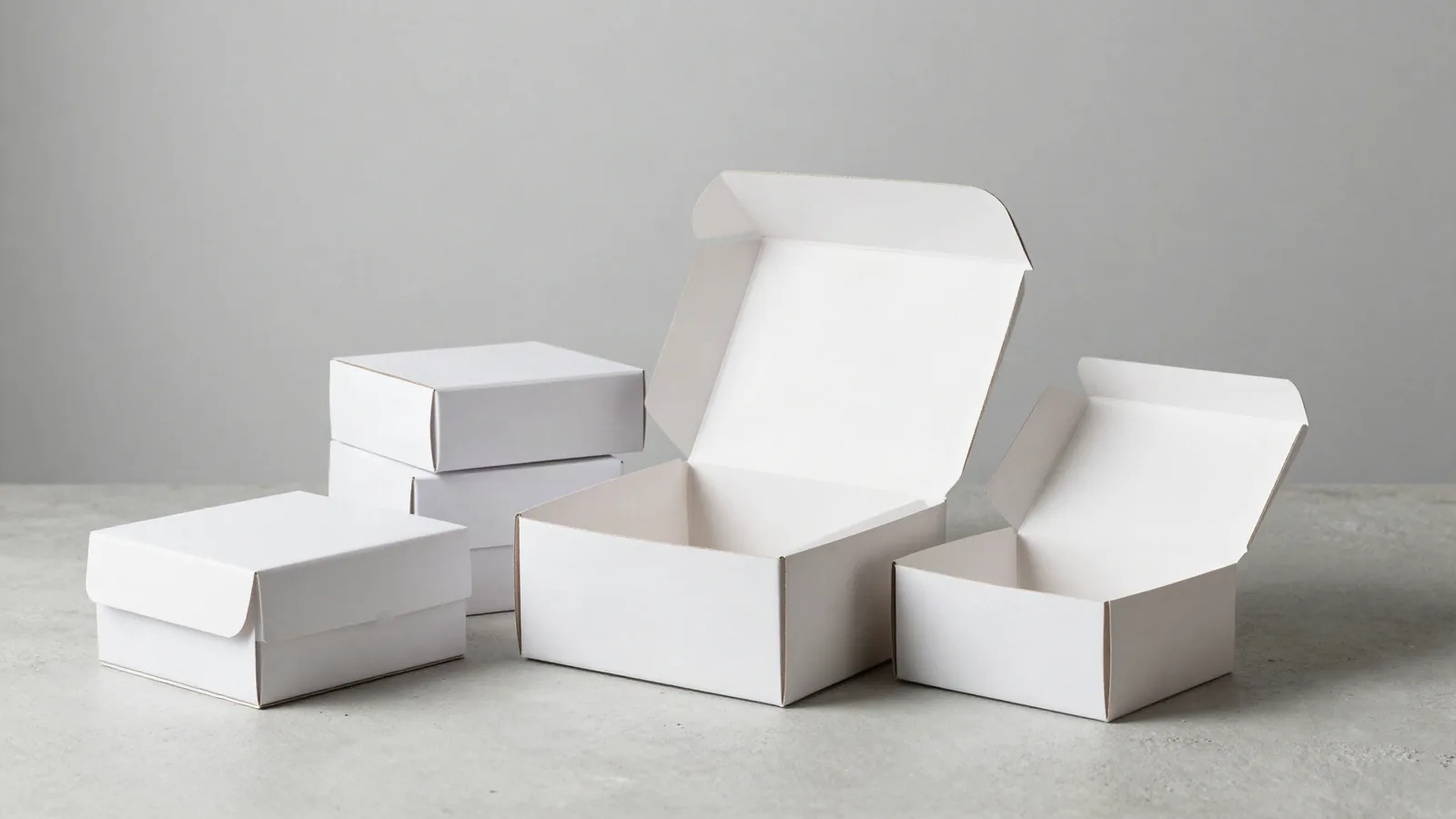
The main types of box closures are tuck panels, snap-lock bases, fitted lids, sleeve-and-tray structures, hinged boxes, and fitted tin lids. A box closure is the panel system that opens, closes, and holds the package together. A dieline is the flat cutting template used to print and cut that structure. The closure affects loading, display position, repeat access, and the space available for artwork.
A retail carton may use a tuck panel, while a presentation box may use a lid and tray. A kit may need an insert and a controlled opening sequence. Similar outside dimensions do not make those closures interchangeable.
How should you compare box closures?
Compare each closure by its opening action, base construction, product loading path, repeat access, and artwork area. Start with the packed product, then review the closure against the way the box will be filled, shipped, displayed, and opened.
| Closure family | How it works | Buyer decision |
|---|---|---|
| Tuck panel | A panel folds into a receiving wall | Choose for a familiar top or bottom opening |
| Snap-lock base | Interlocking panels hold the bottom structure | Compare when base assembly needs attention |
| Lid and tray | A separate lid moves over a tray | Choose when presentation and repeat access matter |
| Sleeve and tray | An outer sleeve moves around an inner tray | Compare when the reveal is part of the presentation |
| Fitted tin lid | A lid fits over a metal tin body | Consider when the package will be opened repeatedly |
Scores control where board folds, and glue tabs control where panels join. Type set too close to a score can break across the fold. A bleed left off the file can leave a white edge after cutting.
When does a tuck closure make sense?
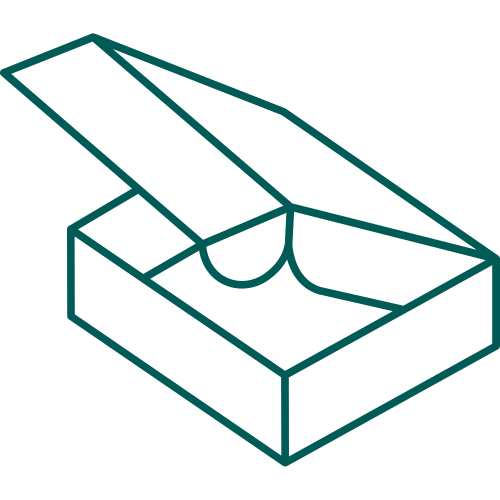
A tuck closure makes sense when the buyer wants a clear opening action and a carton that loads in a straightforward sequence. The tuck panel needs enough clearance to close without catching the product or covering the front panel. Keep the opening instruction near the panel the customer will touch first.
Use shoe box packaging as a reference when the package needs a familiar retail opening. Review wine box packaging when the product presentation and outer panel need to be considered together. These product pages are starting points for structure, not substitutes for a project dieline.
Why choose a snap-lock or fitted base?
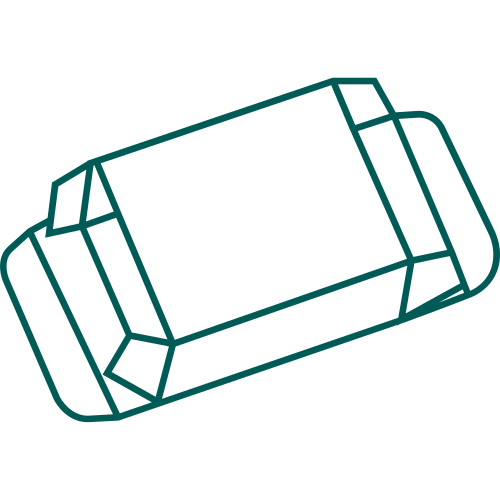
Choose a snap-lock base when the bottom panels need to interlock during assembly. The base choice should follow the packed product, board direction, product weight, and handling conditions. A name alone does not confirm whether the bottom will suit the finished pack.
An insert is a separate internal piece that positions or supports the product. Review custom foam box inserts when the internal support and the closure need to be planned together. A product that rattles inside an insert can still shift the closure during handling, so check the loaded package before approval.
What makes a lid, tray, sleeve, or tin closure different?
A lid and tray separates the opening from the main box body. That structure gives the buyer a controlled reveal and a clear place to inspect the fit. A sleeve and tray adds an outer layer that slides around the inner tray, so the sleeve artwork and the tray opening need to line up.
A fitted tin lid sits over the tin body rather than folding from paperboard. Compare the embossed tin box and chocolate tin box references when a tin-led format is part of the brief. For kits with several pieces, the custom DNA test kit box reference shows why the outer closure and internal arrangement should be reviewed as one job.
How should artwork follow the closure?
Artwork should follow the selected closure and the panel the customer sees first. Place the brand mark and product name on a panel that stays visible in the intended display position. Keep copy away from scores, glue tabs, locking panels, and surfaces covered by a sleeve or lid.
- Mark the opening panel on the artwork proof.
- Separate exterior and interior artwork.
- Check bleed at every cut edge.
- Check barcodes and small type before approval.
- Confirm that an insert does not hide required copy.
We draw the dieline free from your product dimensions and send a digital proof before anything prints. If the type sits across a score or the barcode is too close to a cut, the proof is where the file gets corrected. Matte lamination reduces glare, gloss lamination reflects more light, and spot UV adds gloss to selected areas.
Digital printing uses no plates and suits shorter runs or variable artwork. Offset printing uses plates and suits larger sheet runs with repeatable color. The selected closure does not decide the print route by itself.
What commercial terms apply to custom closures?
Custom box closure projects have an MOQ of 100 units. Pricing is from $0.49 per unit at volume, quoted to spec. Production is typically 8 to 10 business days after proof approval, plus delivery. Free US shipping and free design support are available.
The $19.99 sample kit is credited toward the first order and gives the team a physical reference before the product-specific proof. Use custom packaging design to organize the product dimensions, closure choice, artwork, and opening sequence. Send those details before the dieline is drawn.
Frequently Asked Questions
What should a buyer check before choosing a custom box closure?
A buyer choosing a custom box closure should check the packed product, opening action, base construction, repeat access, display position, insert fit, and artwork area. The closure should be selected from the loaded package, not from the closure name alone. Custom Packaging Lane draws the dieline free and sends a digital proof before anything prints.
What is the difference between a tuck closure and a snap-lock base?
A tuck closure controls access through a folding panel, while a snap-lock base controls how bottom panels interlock. A custom box can use one or both. The right choice depends on product loading, board, product weight, handling, and artwork placement. The approved proof should show the full closure and the assembled package.
Can a custom box closure work with an insert?
A custom box closure can work with an insert when the internal piece and the outer structure are drawn together. An insert positions or supports the product, while the closure controls access and keeps the package closed. Check the loaded insert for movement, clearance, covered artwork, and closing pressure before proof approval.
What is the MOQ and price for custom box closures?
The MOQ for custom box closures is 100 units. Pricing is from $0.49 per unit at volume, quoted to spec. The selected closure, material, dimensions, artwork, finish, quantity, and delivery details shape the quote. Custom Packaging Lane also provides free US shipping and free design support.
How long does custom box closure production take?
Custom box closure production is typically 8 to 10 business days after proof approval, plus delivery. The clock starts after the digital proof is approved, not when the initial order discussion begins. Closure selection, dieline preparation, artwork review, and proof corrections happen before that production window.